
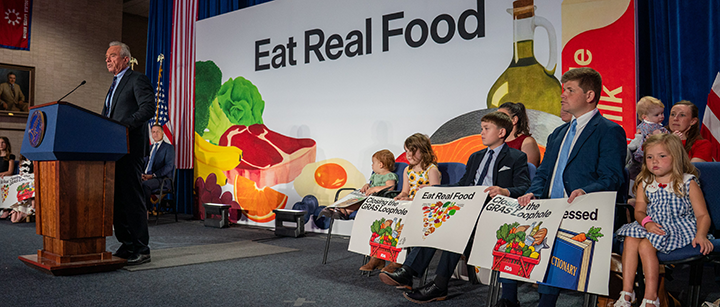

In recent public engagements, Health and Human Services Secretary Robert F. Kennedy Jr. has highlighted a reported 3% decline in obesity rates in the United States, asserting that some credit belongs to the previous administration. This statistic reflects a general trend noted over several years that predates both President Donald Trump’s and President Joe Biden’s administrations. While one poll indicates a reduction in obesity figures, experts caution against attributing this shift to Kennedy’s initiatives or the promotion of healthier eating practices.
According to Gallup polling, the peak of adult obesity in the U.S. occurred in 2022. Since then, the obesity rate has consistently decreased each year, with the trend beginning before Trump’s current term. Experts suggest that if the obesity rates are indeed falling, there is no substantial evidence linking this decline directly to changes in diet or lifestyle. Many point to the significant increase in the prescription of new GLP-1 weight loss medications, which are acknowledged for their effectiveness, as a potential factor contributing to the shift.
Kennedy has championed the “Eat Real Food” movement, encouraging Americans to consume healthier food options while occasionally critiquing pharmaceutical interventions like GLP-1 drugs. His assertions about the decrease in obesity have gained traction in multiple speeches over the past months, where he emphasizes an increase in the consumption of “real foods” alongside the purported decline in obesity rates.
Despite Kennedy’s claims of a 3% reduction in obesity for the first time in 40 years, critical examination reveals that the data do not actualize the specific annual changes he cites. The comprehensive assessment of Gallup’s findings indicates that the overall obesity rate has decreased by a total of 3.5 percentage points from 2022 to the first half of 2026, with a significant portion of that reduction occurring while Biden was in office.
Medical and health experts remain skeptical regarding whether the recent decline is due to individuals making healthier dietary choices. Many suggest that while Kennedy’s advocacy for improved nutrition is valuable, significant systemic changes often take time to manifest through measurable health improvements.
Assessing dietary habits reveals limited evidence supporting Kennedy’s claims of a nationwide shift towards better eating practices. The National Health and Nutrition Examination Survey (NHANES) remains the best indicator for assessing changes in dietary trends, yet the latest data fails to show major improvements in average American diets over recent years.
The interplay of economic factors, such as rising food prices, and increasing awareness surrounding nutrition may influence dietary selections. Nonetheless, experts highlight the importance of considering various interventions, including pharmacological approaches like GLP-1 usage, in examining the overall dynamics of weight management.
As the national conversation around obesity trends evolves, it will be crucial to continue monitoring these figures and dissecting the various elements contributing to any observed fluctuations, ensuring that the focus sharpens on comprehensive, evidence-based solutions that prioritize public health.
#HealthNews #PoliticsNews