
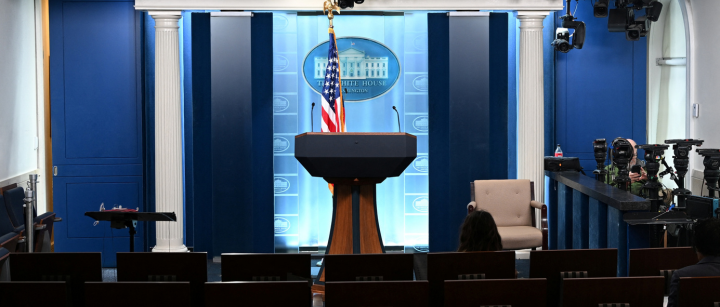

The decision by the Trump administration to prohibit CNN, Politico, and MS NOW from reporting on White House activities has ignited a contentious debate regarding press freedom and government accountability. This move, enacted on September 18, deviates significantly from previous actions taken by administrations led by Barack Obama and Joe Biden.
In a press release issued three days post-announcement, the White House justified the ban by asserting that modifying media access is far from unprecedented. The administration claimed past Democratic presidents have similarly restricted press access, attempting to draw parallels with historical incidents during Obama and Biden’s tenures.
However, media experts have raised serious concerns about the singular nature of Trump’s prohibition. Ken Paulson, director of the Free Speech Center at Middle Tennessee State University, emphasized that Trump’s action is unprecedented, as it embodies a comprehensive ban on several news organizations, targeting them specifically for their critical coverage of his presidency. Such actions raise profound questions about the First Amendment, which safeguards against governmental retaliation based on dissenting views.
President Trump described the targeted organizations as disseminators of “fake news,” alleging a pattern of coverage aimed at undermining his administration. This characterization has faced scrutiny from journalists and scholars alike who argue that such a ban directly contravenes the fundamental principles of a free press, amid broader implications for media diversity and public discourse.
Further complicating the matter is the contrasting approach taken by past administrations regarding media relations. For example, while Obama’s administration did face criticism for restricting access, particularly in relation to Fox News, the nature and scope of those restrictions differ starkly from Trump’s current directives. Amy Kristin Sanders, a professor at Penn State University, articulated that the Trump administration’s targeting of specific outlets for critical reporting constitutes a new and troubling development in the history of U.S. press relations.
As legal challenges mount, CNN, Politico, and MS NOW have initiated lawsuits seeking the restoration of their press access. These developments illustrate a critical moment for journalistic integrity and public trust in democratic institutions. The ongoing discourse emphasizes the vital role of the press as a check on power and an indispensable component of democracy.
The implications of these events extend must further, as they reflect a growing trend that could reshape the landscape of media access and governmental transparency in the years to come.
#PoliticsNews #WorldNews