

As the 2026 midterm elections approach, political ad campaigns are intensifying, particularly in key states like Texas and Pennsylvania. The Democratic Party has initiated a series of advertisements depicting Republican cuts to Medicaid as detrimental to rural healthcare. In response, Republican opponents have launched their own campaigns asserting that Democratic candidates’ support for public health insurance options could lead to the closure of numerous rural hospitals.
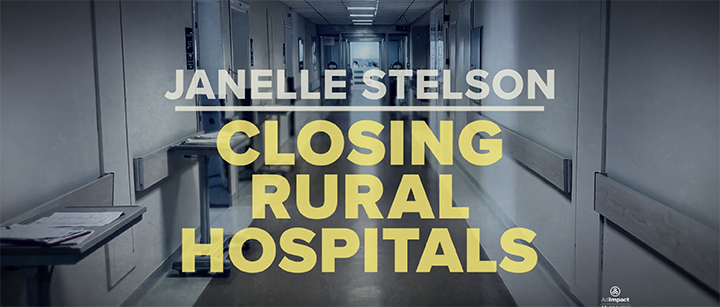
In Texas, an analysis by AdImpact reveals that President Donald Trump’s political organization has allocated over .9 million to advertisements targeting Democratic Senate candidate James Talarico. They describe Talarico’s healthcare proposals as “radical” and warn that they could jeopardize the existence of up to 30 hospitals. Similarly, in central Pennsylvania’s 10th Congressional District, a group associated with House Republican leadership contends that Democrat Janelle Stelson endorses a plan that may result in the closure of 25 rural hospitals.
Both candidates are involved in competitive races: Talarico is facing state Attorney General Ken Paxton, while Stelson challenges incumbent Republican Representative Scott Perry. The Cook Political Report currently rates both contests as toss-ups, indicating their significance in determining control of Congress.
The ads utilized by the GOP do not specify the contents of the Democrats’ purported “radical healthcare plan.” They reference a 2019 report from Navigant, which assessed the consequences of implementing a public option—a government-backed health insurance avenue that citizens could access at lower rates than traditional private insurance. This report was commissioned by a coalition opposing public insurance initiatives, which includes various healthcare stakeholders.
The Navigant report posits that a significant number of rural hospitals might be at higher risk of closure if a public option is enacted. Specifically, it estimates that between 28% to 55% of rural hospitals could face substantial financial difficulties. However, this analysis is based on the assumption that such a program would compensate hospitals at Medicare’s rates—a parameter not universally applicable to all public option proposals.
Recent public option proposals have indicated intentions to provide reimbursement rates that potentially exceed Medicare’s, which could aid rather than hinder rural healthcare institutions. Talarico has expressed a goal of increasing hospital reimbursement rates within his healthcare plan, thus potentially mitigating concerns articulated in the Navigant study. Stelson has not committed to a specific public option framework but emphasizes the importance of increased funding for rural hospitals.
It is possible that skepticism towards the Navigant report’s conclusions is warranted. Experts, including Christine Monahan from Georgetown University, suggest that the report’s predictions may not align with the practical realities of public option designs being advocated.
Notably, voters are increasingly concerned about rural healthcare accessibility. The public option concept has re-emerged in political discourse, with advocates highlighting its capacity to offer lower premiums and extend coverage to underserved communities. The overarching intention is to stimulate competition among insurers while ensuring that essential healthcare services remain viable in rural areas.
As each candidate delineates their healthcare visions, the complexities surrounding public insurance options become more pronounced. Stakeholders and voters alike will scrutinize these proposals, making tangible impacts on healthcare policies that could shape the future of rural hospitals across the United States.
#PoliticsNews #HealthNews