

As global attention focuses on the unfolding political landscape in Israel, accusations of foreign interference have once again drawn Qatar into the contentious political dialogue. With various Israeli leaders claiming that Doha is meddling in their elections, Qatar’s government is taking a firm stand, rejecting these assertions while reinforcing its commitment to fostering peace and stability in the region. This ongoing discourse highlights the complex relationships at play within Middle Eastern politics and underscores the precarious balance between domestic governance and international diplomacy.
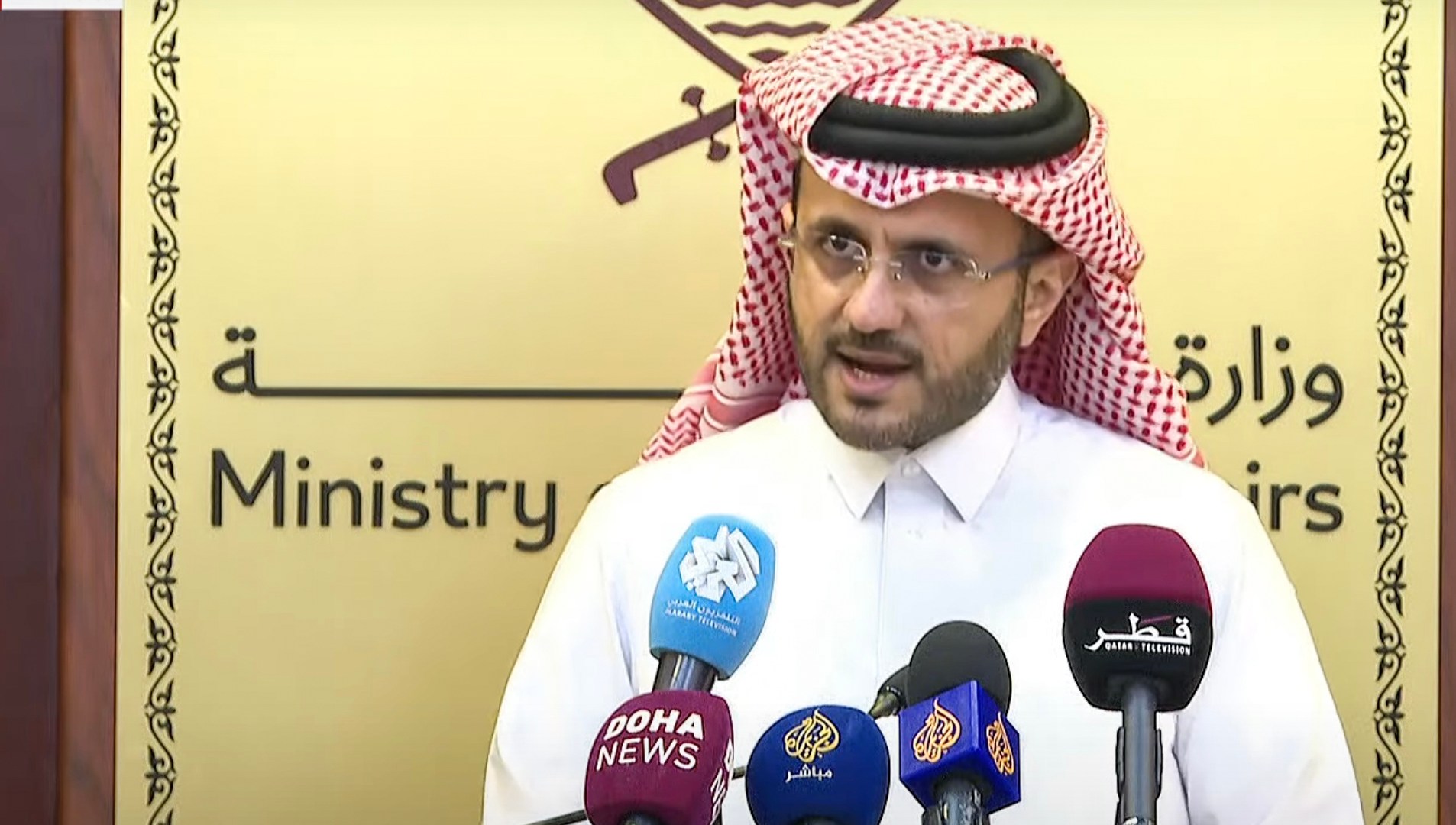
As Israel anticipates the final results of its highly contested elections, allegations of foreign interference have emerged, specifically targeting Qatar. Israeli politicians from Prime Minister Benjamin Netanyahu’s Likud party and affiliated media outlets have made unsubstantiated claims that Qatar funded Arab political factions within Israel for get-out-the-vote initiatives. In response, a spokesman for Qatar’s Ministry of Foreign Affairs has categorically denied these accusations, characterizing them as unfounded attempts to implicate Doha in a contentious political battle.
The Qatari official, Majed al-Ansari, stated that these allegations amount to a “disinformation campaign” aimed at manipulating the narrative around Israel’s elections. He asserted that such claims are “ridiculous and dangerous in equal measure,” reflecting a broader and long-standing campaign against Qatar. Netanyahu’s administration has previously expressed aggressive sentiments toward Qatar, particularly following the Hamas-led attacks on October 7, 2023, which have led to increased scrutiny and tension in the region.
Despite the accusations, it appears that Netanyahu’s coalition did not secure a majority in the Knesset during the latest parliamentary elections, with preliminary results indicating significant gains for Arab political lists—the highest in Israel’s history. Nevertheless, the mainstream parties have predominantly avoided partnerships with these Arab groups, highlighting a continuous divide within Israeli politics.
In a noteworthy shift, Israel’s Central Elections Committee, represented by acting director Dean Livine, refuted the allegations of foreign interference, asserting the integrity and lawfulness of the electoral process. He emphasized that the management of the elections at polling stations was carefully supervised, reiterating that any foreign influence claims were unfounded.
Al-Ansari’s commentary also suggested that certain Israeli politicians might benefit more from focusing on their constituents rather than diverting attention towards Qatar. He pointed out that Qatar has no stake in Israeli political disputes, reinforcing the nation’s position as a neutral mediator in regional conflicts. The spokesman urged Israeli leaders to concentrate on improving the lives of their citizens and addressing the damage wrought by ongoing tensions.
Qatar’s role in the Middle East extends beyond mere political rhetoric; it is recognized as a pivotal mediator in the longstanding conflicts involving Israel and Palestine. Doha has played a critical role in facilitating negotiations aimed at halting violence, particularly during the recent conflicts in Gaza. Furthermore, Qatar is actively engaged in diplomatic initiatives between the United States and Iran, demonstrating its commitment to fostering dialogue and stability in the region.
In closing, Al-Ansari expressed hope that accusations from Israeli politicians would not detract from Qatar’s ongoing diplomatic and humanitarian efforts, nor from its support for the Palestinian cause, emphasizing Qatar’s dedication to achieving a comprehensive and just peace.
#PoliticsNews #MiddleEastNews