
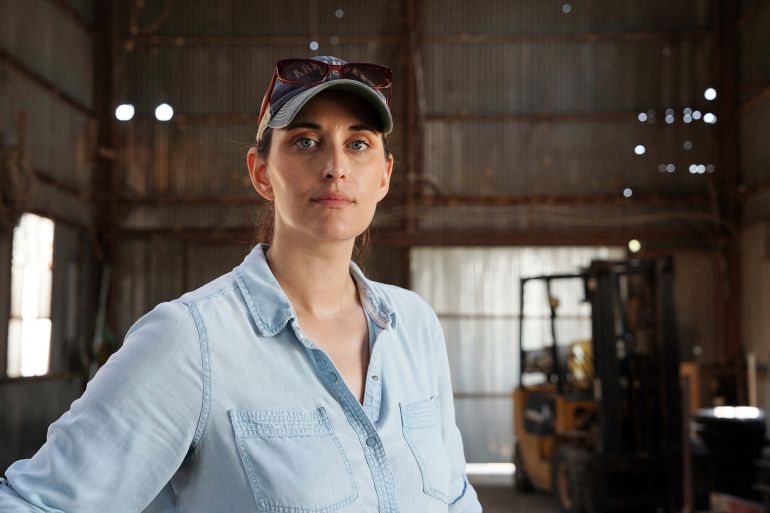

In the heart of America’s agricultural landscape, farmers are grappling with unprecedented challenges that threaten their livelihoods. The ongoing turmoil in global markets, fueled by elevated fuel and fertilizer costs alongside political unrest, has prompted family-run farms, like that of Paul McKinney in Arkansas, to pivot away from traditional crops such as rice toward alternatives like soya. This transition reflects a broader trend among U.S. farmers who are now facing critical decisions as they head to the polls during tense midterm elections amid rising economic pressures.
Amid challenging economic conditions, Paul McKinney, a fourth-generation rice farmer in northeast Arkansas, reflects on the joys of his son’s childhood spent in the expansive fields of his family farm. McKinney recalls the joy a flooded rice field brought to his young son, likening it to “a giant, 40-acre swimming pool.” However, with the upcoming planting season, McKinney is preparing to reduce his rice acreage significantly, opting instead to grow soya, a crop that is less expensive to cultivate.
High fuel and fertilizer costs, exacerbated by geopolitical tensions, particularly the ongoing war on Iran, have prompted many farmers across the United States to make difficult choices this year. In the midst of this struggle, they also face critical moments at the polls, as the nation anticipates the outcome of the midterm elections. Democrats are poised to gain ground as voters respond to rising prices by reassessing their political alignments.
Political analysts are closely monitoring rural regions, particularly in Texas and Kansas, where Democrats may potentially secure Senate seats for the first time in decades. In the House of Representatives, key districts such as Wisconsin’s Third and North Carolina’s First are emerging as pivotal battlegrounds that could influence Democratic control.
Despite these possibilities, many areas, including Arkansas, remain staunchly Republican, presenting a tough challenge for Hallie Shoffner, a Democratic candidate and former farmer herself, who has launched a campaign centered around addressing escalating costs. Shoffner’s decision to shift from farming stemmed from the harsh realities of rising expenses and fluctuating crop prices. She is determined to represent the interests of farmers and rural communities, advocating for solutions such as investment in local processing and distribution along with the development of robust trade policies.
Rising input costs have placed significant pressure on farmers, a situation that has been brewing for years, even before the current geopolitical conflicts. Experts cite various contributing factors like the trade war with China, the conflict in Ukraine, and environmental challenges such as drought—a situation worsened by climate change. In response, farmers are diversifying their crops; many in Arkansas have turned to soya, perceived as a less resource-intensive and more affordable option.
The impact of these economic pressures is stark. Reports indicate a 19% increase in farm bankruptcies over the past year, with some predicting that without systemic change, the trend could escalate. Shoffner emphasizes the necessity for sustainable farming practices that allow agricultural producers to thrive, not merely survive.
As long-term viability becomes an increasingly pressing concern, McKinney and other farmers reflect on the future they hope to create for the next generation. They grapple with the weighty decisions of whether their operations can sustain families and be passed down through the ages. Both McKinney and Shoffner recognize that if farmers are to maintain a foothold in rural America, their needs must be prioritized in political discourse.
As the elections approach, farmers’ voices may carry new significance amid a shifting political landscape. Despite historical party loyalties, some polls indicate signs of shifting sentiments among the farming community, suggesting they may be willing to reconsider their voting choices based on economic realities.
In Arkansas, where farming remains an essential part of both the economy and culture, the quest for sustainable solutions and the determination to ensure a prosperous future remain paramount. As competitive as the political landscape may be, many hope this election will illuminate the path towards a better, more sustainable agricultural policy.
#PoliticsNews #MiddleEastNews