
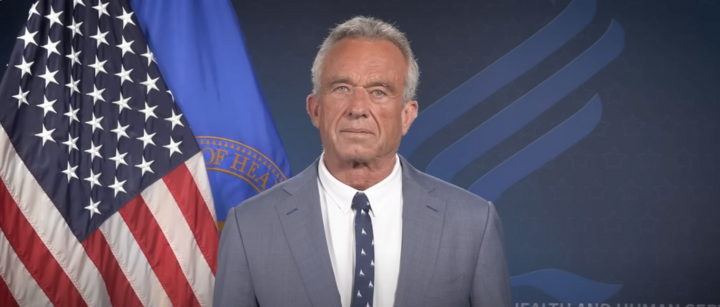

In a recent statement, the U.S. Department of Health and Human Services (HHS), led by Secretary Robert F. Kennedy Jr., announced its rejection of proposed amendments to the World Health Organization’s (WHO) International Health Regulations (IHR). This decision has sparked significant discussion regarding global health governance and national sovereignty. The HHS claimed these amendments would grant the WHO unprecedented authority to mandate global lockdowns and travel limitations during health emergencies, a contention that experts assert is unfounded.
On July 18, HHS issued a press release, affirming its formal opposition to changes that member states had universally adopted in June. These regulations are designed to outline the obligations and rights of WHO member countries during public health emergencies, including pandemics. Although the Trump administration had previously indicated an intention to withdraw from WHO, the U.S. was required to declare its stance on the amendments by mid-July, as part of the regulatory process.
Critics of the HHS’s assertions, including public health experts like Lawrence Gostin from Georgetown University, have categorically dismissed the claims made by Kennedy Jr. as misleading. They argue that the IHR amendments explicitly incorporate national sovereignty, meaning that nations maintain the authority to determine their health policies independently. The revisions aim to promote international collaboration in detecting and responding to public health crises, which aligns with America’s national interest.
Notably, the amendments introduce a new designation for emergencies—“pandemic emergency”—which triggers temporary, non-binding recommendations from the WHO. While the guidelines are intended to foster cooperation, they do not impose any legal obligations. The Amendments to the IHR also underscore the importance of equity and solidarity, particularly benefiting developing countries by improving access to health products during emergencies.
Kennedy Jr. expressed concerns over a potential “technocratic control system” that could compromise individual liberties. Yet, the WHO maintains that it lacks the authority to force countries into compliance with specific health measures, a sentiment echoed by Dr. Tedros Adhanom Ghebreyesus, WHO’s Director-General.
The ongoing dialogue surrounding the IHR reflects broader themes in global health policy and underscores the necessity of collective action in the face of emerging health threats. As the world continues to grapple with the repercussions of the COVID-19 pandemic, these amendments have been designed to fortify international health frameworks, ensuring preparedness and equitable access to resources.
Ultimately, the debates surrounding these regulations illustrate the delicate balance between national interests and global health strategies, emphasizing the importance of collaboration in facing future health challenges. The recent discussions also serve as a reminder of the constructive role that organizations like the WHO can play in fostering global public health initiatives.
#PoliticsNews #WorldNews