
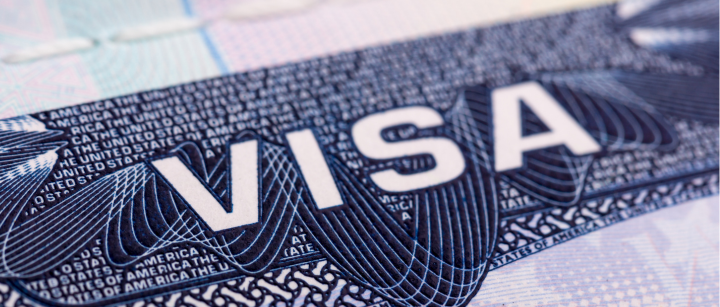

The phenomenon of birth tourism in the United States has increasingly garnered attention in recent discussions on immigration policy and citizenship. Birth tourism refers to the practice of pregnant women arriving in the U.S. on tourist visas with the intention of giving birth, thereby securing U.S. citizenship for their newborns. While estimates on the prevalence of this practice remain contentious, one group has suggested that it could account for over 20,000 births annually.
Historically, U.S. law has granted citizenship to children born on American soil, a provision enshrined in the Constitution that has been challenged in recent years by various political factions. Advocates for modifying or removing these birthright citizenship provisions often cite birth tourism as a primary concern, arguing it may encourage immigration from countries perceived as less favorable or stable.
In Supreme Court arguments presented on April 1, the issue of birth tourism was raised in the context of potential changes to citizenship laws. The Solicitor General referenced this trend, claiming it has led to the emergence of a substantial industry specifically catering to foreign nationals seeking to establish American citizenship for their children without meaningful ties to the U.S. However, when pressed for quantifiable data regarding this concern, he admitted that no concrete figures are available.
According to reports, the Supreme Court is expected to rule on a case which challenges an executive order proposed by former President Donald Trump. This order sought to eliminate birthright citizenship, asserting that it would prevent foreign nationals from seeking various avenues of immigration resulting from citizenship obtained through childbirth in the U.S.
Despite ongoing political discourse, the State Department does not formally track birth tourism statistics. Critics of the Trump administration’s rhetoric argue that linking birth tourism to immigration-related issues may characterize the practice inaccurately. A detailed Senate report highlighted two prominent birth tourism companies that have operated in California and Miami, underlining the regulatory challenges surrounding the operations.
While proponents for tighter immigration controls express concerns over possible security implications, analyses suggest that the actual incidence of birth tourism remains relatively low given the approximately 3.6 million births that occur in the U.S. each year. The Migration Policy Institute points out that even broader estimates suggest that birth tourism represents only a minor fraction of total births.
Looking forward, the conversation surrounding birth tourism is evolving with calls for more robust and equitable immigration policies that could address the issue without infringing on constitutional rights. These discussions may include enhancements in visa screening processes and more stringent regulations surrounding tourism, aiming to maintain the balance between national interests and the values of inclusivity and opportunity.
The debate over birth tourism not only highlights the complexities of U.S. immigration policies but also reflects a broader discourse on what it means to be a citizen in an increasingly interconnected world. As discussions continue, stakeholders emphasize the importance of upholding constitutional principles while adapting to contemporary challenges in immigration and citizenship.
#PoliticsNews #CultureNews