

The status of Iran’s enriched uranium stockpile remains uncertain following recent airstrikes by the United States on crucial nuclear facilities, according to statements made by International Atomic Energy Agency (IAEA) Director General Rafael Grossi and arms control experts. This heightened situation has raised significant discussions about nuclear safety and regional security.
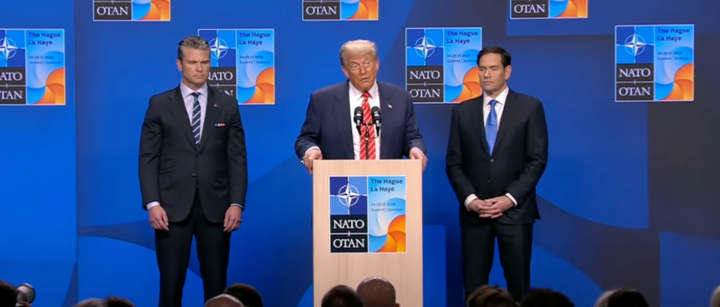
During a press conference held at the NATO summit in The Hague, U.S. President Donald Trump responded to inquiries regarding Iran’s potential capability to relocate enriched nuclear material before the airstrikes. He asserted that the strikes were so forceful that any attempts at movement were likely thwarted. In contrast, Secretary of Defense Pete Hegseth, when asked the same question, indicated that he was not privy to any intelligence suggesting materials had been moved prior to the strikes.
However, Grossi highlighted that there are indications Iran may have taken special precautionary measures to protect its nuclear assets in response to increased military pressure, particularly following airstrikes from Israel. He shared that Iran had communicated to the IAEA on June 13 about its plans to adopt “special measures” in light of the country’s ongoing security concerns.
Reports from Israeli intelligence suggest that Iran may have indeed relocated uranium and other crucial equipment from its Fordo facility prior to U.S. action. Satellite imagery taken shortly before the strikes showed significant activity, leading to speculation about the potential movement of sensitive materials.
Contrary to earlier assessments, recent intelligence shared with European nations indicates that Iran’s stockpile of highly enriched uranium remains largely intact despite the U.S. attacks, with materials distributed across various undisclosed locations. This suggests the potential for future nuclear capabilities, though analysts emphasize that Iran’s ability to create a nuclear weapon is not an immediate threat.
While there is ongoing debate regarding whether Iran was actively pursuing nuclear weaponization, U.S. intelligence reports indicate that Iran is not currently engaged in efforts to develop a nuclear weapon. Experts continue to monitor the situation closely, debating the implications of Iran’s enriched uranium stockpile, which has reached unprecedented levels for a non-nuclear-armed state.
The complexities surrounding this issue require careful consideration of international diplomacy and global security measures, emphasizing the need for transparency and collaborative efforts among nations to promote stability in the Middle East.
#PoliticsNews #MiddleEastNews