
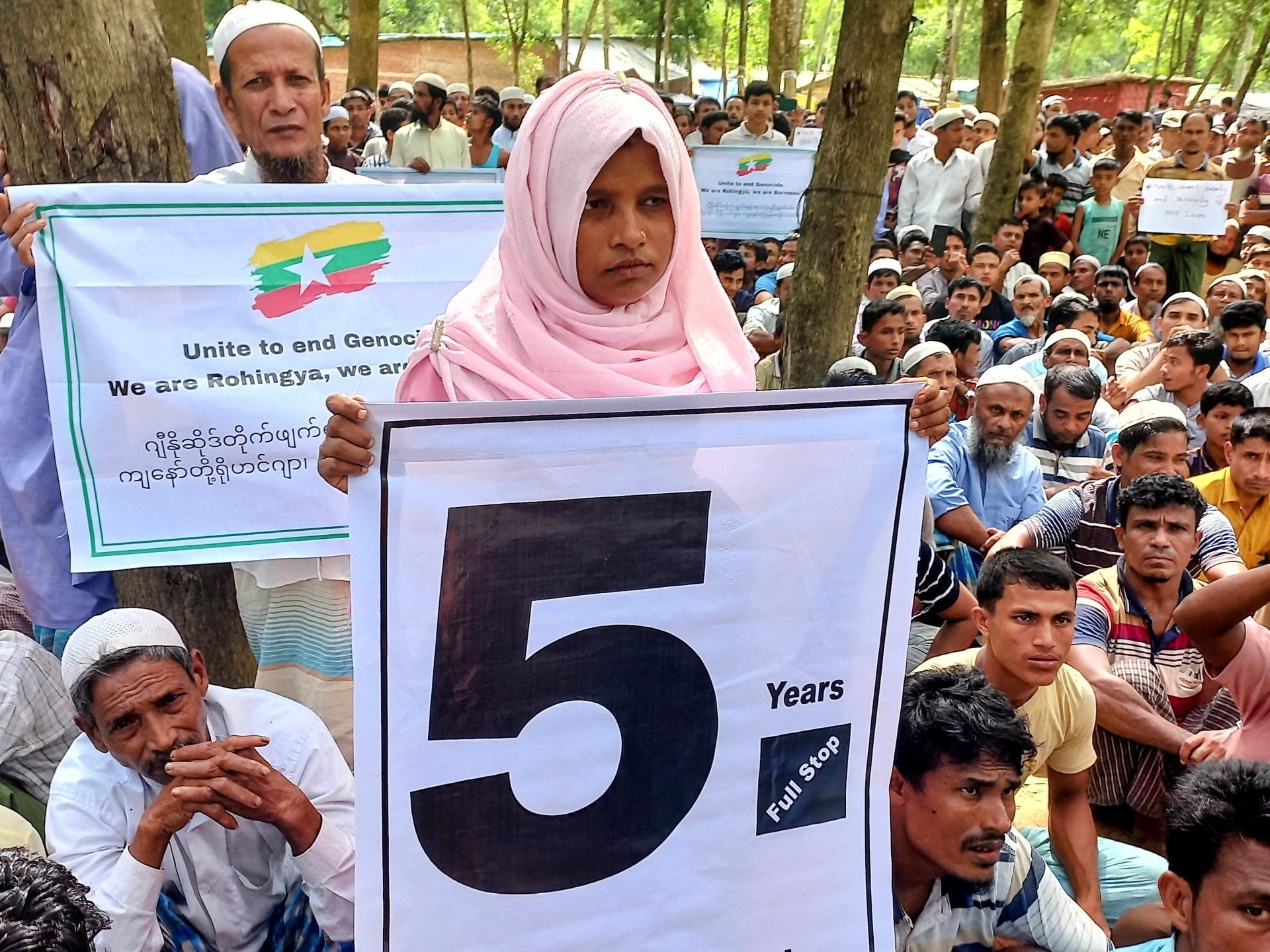

The United Nations has issued a crucial warning indicating an impending reduction in essential food assistance for nearly one million Rohingya refugees residing in Bangladesh, as funding shortages begin to impact humanitarian efforts. The World Food Programme (WFP) has announced that starting next month, monthly food vouchers will be decreased from .50 to per individual, significantly affecting the already vulnerable population.
In a letter sent on Wednesday, the WFP noted that current funding levels are insufficient to meet the needs of these refugees, and cost-saving measures are proving inadequate. Mohammed Mizanur Rahman, the leading official supervising the Rohingya refugee camps in Bangladesh, confirmed this reduction, expressing his deep concern over the impact of these cuts on individuals who are already facing extreme hardships. The conditions in these camps, located predominantly in the overcrowded southern district of Cox’s Bazar, limit the refugees’ access to employment and educational opportunities.
The Rohingya community, an ethnic Muslim minority that fled violent persecution in Myanmar during 2016-2017, relies heavily on humanitarian aid as the likelihood of repatriation or resettlement remains low. As the WFP’s decision aligns with the onset of Ramadan, UN Secretary-General Antonio Guterres is scheduled to visit the region, highlighting the ongoing plight of the Rohingya and expressing solidarity with their struggle.
Local advocates have labeled the aid cuts as potentially catastrophic. Nay San Lwin, co-founder of the Free Rohingya Coalition, described the decrease as a death sentence for individuals already facing severe social and health issues. He emphasizes the need for the WFP to focus on enhancing efficient use of funds, urging international donors to prioritize lifesaving support for the Rohingya.
This reduction stems from an overall shortfall in donations rather than a deliberate decision from specific governments to cut foreign aid. The WFP underscores that U.S. funding for Rohingya food assistance remains intact, despite broader cuts in foreign aid initiated by the previous U.S. administration, which have affected healthcare facilities within the camps.
The impact of such aid cuts has already been acutely felt; previous reductions have led to increased rates of hunger and malnutrition among the Rohingya population. The WFP reported that a prior reduction in food rations resulted in 90% of the camp’s residents struggling to meet their dietary needs, further exacerbating an already dire situation. The European Commission has recently announced a substantial aid package amounting to 76 million euros, reaffirming its long-standing commitment to support Rohingya refugees as conflict continues to plague their homeland.
As the humanitarian landscape evolves, maintaining a cohesive response to the needs of the Rohingya remains imperative to ensure their survival and dignity during these challenging times.
#WorldNews #MiddleEastNews