
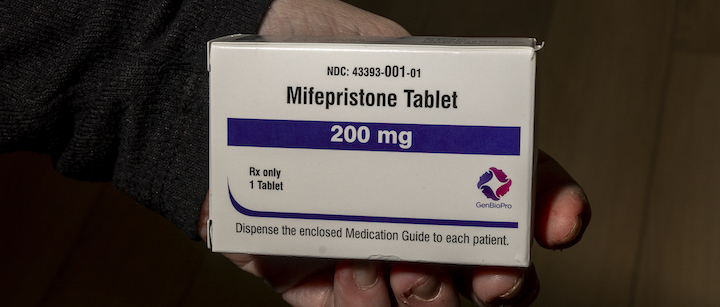

Recent scrutiny surrounding the Food and Drug Administration (FDA) review of mifepristone, a drug utilized in medication abortions, has emerged after two officials from the Trump administration referenced a report claiming a heightened rate of serious side effects associated with the medication. Critics, including reproductive health experts, have raised substantial concerns regarding the report’s credibility and methodology, particularly noting its lack of peer review and transparency regarding data sources.
Mifepristone, which is FDA-approved for terminating pregnancies through 10 weeks of gestation, is often used in conjunction with misoprostol. Evidence indicates that serious side effects from medication abortions are infrequent, with mifepristone being a critical option for many seeking these services—particularly as medication abortions accounted for 63% of all abortions in the United States in 2023, as reported by the Guttmacher Institute, a research body advocating for reproductive rights.
Health and Human Services Secretary Robert F. Kennedy Jr. and FDA Commissioner Dr. Marty Makary have emphasized the need for a review of mifepristone’s safety based on findings from an April report released by the Ethics and Public Policy Center (EPPC), an organization known for its opposition to abortion. The EPPC report hinted at potential dangers associated with the consumption of mifepristone without proper medical support. However, a group of 263 reproductive health scholars quickly rebutted the EPPC’s claims, stating that the findings did not provide reliable evidence and instead misrepresented existing literature on mifepristone’s safety.
The report’s assertion that serious adverse event rates related to mifepristone could be as high as 10.93%, a figure purportedly over 22 times greater than the FDA label’s reported rate, has come under fire for its ambiguous data sources and methodology. Experts noted that the EPPC failed to disclose the claims database it utilized, which hinders the verification of the report’s analysis and results.
Concerns surrounding the EPPC’s portrayal of adverse events have also been voiced. Researchers highlighted that the definitions employed in the report seemed inconsistent and potentially misleading, suggesting that emergency room visits—often resulting from normal post-abortion symptoms and queries—were misclassified as serious complications. Previous studies have consistently shown that serious complications following medication abortions are rare, aligning closely with the FDA’s established figures.
In light of ongoing debate, the FDA has promised a comprehensive evaluation of mifepristone’s Risk Evaluation and Mitigation Strategy, particularly following the removal of previous in-person dispensing requirements during the COVID-19 pandemic. The agency has noted that studies have not indicated increased risks associated with telehealth services for abortion, which have grown in accessibility.
This dialogue over mifepristone’s safety and regulations underscores the need for continued vigilance in ensuring that reproductive healthcare remains informed by a landscape of verifiable knowledge, supporting women’s rights and health outcomes in the United States.
#PoliticsNews #HealthNews