
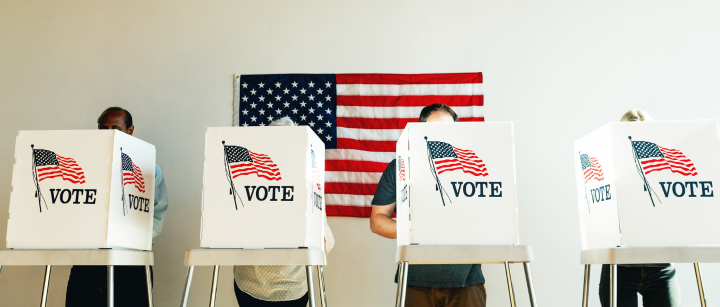

In a recent address, former President Donald Trump made assertions regarding the vulnerability of American voting machines, citing alleged attempts by the Venezuelan government to manipulate electronic voting systems. These declarations were drawn from a CIA report on Venezuelan strategies to influence election outcomes, particularly during the regime of Nicolás Maduro. However, experts and analysts have pointed out discrepancies between Trump’s statements and the actual findings presented in the report.
Trump announced the release of documents detailing an alleged plot by the Maduro regime to “digitally rig” elections in Venezuela, emphasizing the need for immediate action to safeguard U.S. voting systems. He suggested that the intelligence indicated a direct correlation between vulnerabilities in the Venezuelan electoral process and potential weaknesses in American systems. Yet, information released by the Trump administration did not conclusively support his claims.
The CIA report, titled “Summary of Select Intelligence Reporting from 2004-2020 on Venezuela’s Electronic Voting Manipulation Capabilities,” illustrated that while Venezuelan leaders demonstrated interest in manipulating voting machines, these capabilities were largely theoretical. The assessment stopped short of confirming any concrete evidence that such manipulations had been effectively carried out. It was noted that the technical capabilities to influence elections outside of Venezuela remained unattainable for the Maduro administration.
Further evaluations from CIA analysts indicated no substantial evidence that large-scale electronic voting fraud had taken place in Venezuela during the 2012 elections. Polling data indicated a solid lead for Maduro’s administration prior to the election, while opposition forces conceded defeat without reported irregularities.
In light of these assessments, the narrative surrounding foreign influence and electronic voting in the U.S. merits careful examination. Experts emphasize that while systems can theoretically have vulnerabilities, robust auditing processes and secure protocols are integral to ensuring electoral integrity. U.S. voting systems are designed to not only be resilient against manipulation but also to be transparent through required audits that reinforce public confidence in democratic processes.
As the discourse around voting integrity continues, it is essential for discussions to be rooted in accurate information and a thorough understanding of both domestic and international electoral dynamics. The ongoing evolution of technological capabilities, coupled with international relations, highlights the importance of vigilant oversight.
The context surrounding electronic voting in global democracies, including countries like Venezuela, can inform future discussions on electoral security and transparency, ensuring that democratic values are upheld for all citizens.
#PoliticsNews #WorldNews