
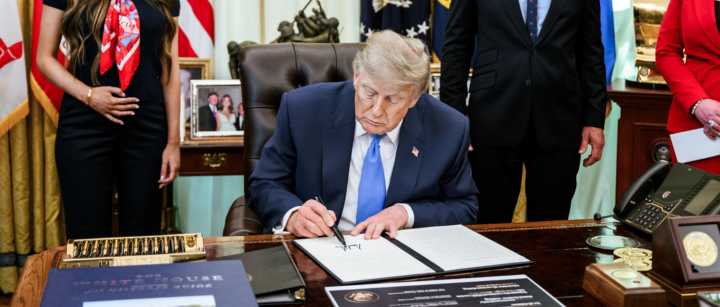

In a recent move aimed at revamping childhood vaccination policies in the United States, President Donald Trump has issued an executive order that calls into question the safety and efficacy of the combined measles, mumps, and rubella (MMR) vaccine. This order proposes to separate the MMR vaccine into individual doses, suggesting that doing so might reduce incidents of autism. However, extensive research has consistently shown no link between vaccinations and autism, a claim originally based on a discredited 1998 study.
The executive order, signed on August 10, presents itself under the guise of “gold-standard” science but has faced criticism for circumventing the protocols typically established by the Centers for Disease Control and Prevention (CDC). Health experts have emphasized the importance of evidence-based decision-making in public health, reiterating that the MMR vaccine has been rigorously studied and endorsed for over four decades.
The order seeks to limit the number of vaccines recommended for children and urges states to reconsider immunization requirements for school entry. Additionally, it advocates for administering the MMR vaccine in three separate doses, favoring multiple visits to healthcare providers—a proposal met with skepticism by many in the medical community. Critics argue that this could exacerbate existing challenges in vaccination coverage and public health.
Dr. Andrew D. Racine, president of the American Academy of Pediatrics, pointed out that the overarching goal of vaccination is to protect children and communities from preventable diseases. He highlighted that decades of scientific research indicate no causal link between the MMR vaccine and autism. Notably, data shows that the MMR vaccine is one of the most studied vaccines globally, with findings supporting its safety and efficacy.
The executive order’s push for separate vaccinations has raised concerns among healthcare professionals that such a shift could hamper immunization efforts. Public health officials have warned that increasing the number of required appointments for vaccinations might lead to lower participation rates, ultimately compromising herd immunity against measles, mumps, and rubella—dangerous diseases that can spread rapidly among unvaccinated populations.
Countries around the world, including many in Europe, continue to endorse the combined MMR vaccine, affirming its value in safeguarding public health. Public health leaders advocate that parents should be informed and reassured about the well-documented benefits of vaccinations rather than being confused by an unscientific agenda. The potential rollback of vaccine availability by shifting to individual shots is seen as detrimental, especially against the backdrop of rising measles cases in recent years.
Expert opinion stresses that the changes proposed in Trump’s executive order are not supported by credible scientific evidence and could set back years of progress toward achieving high vaccination rates that protect the health of children and communities alike. With the complexity of vaccination strategies in a globalized world, it remains critical to focus on proven methods that have successfully reduced the incidence of preventable diseases.
#HealthNews #PoliticsNews