

In recent months, data from the U.S. Treasury Department has highlighted a significant increase in revenue generated from tariffs on imported goods, setting new monthly records during April and May. However, despite these impressive numbers, total revenue falls short of the billion figure frequently cited by former President Donald Trump. This discrepancy has raised questions regarding the accuracy of the President’s claims.
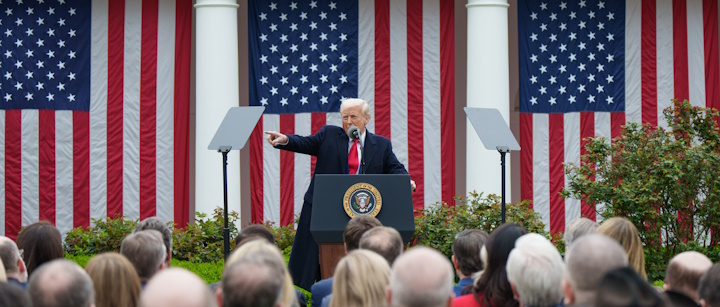
During a media event on June 11, Trump stated that the U.S. “brought in billion” from tariffs within a two-month span. His assertions have been revisited multiple times throughout the month, with Trump consistently referencing this figure without providing the essential context regarding the timeframe. The figure cited closely correlates with tariff collections from October to May, which amounted to more than billion, but it is worth noting that this data includes more than three months during which Joe Biden was in office.
Following his remarks at the Kennedy Center, Trump reiterated the billion figure at a White House bill signing ceremony and suggested that this revenue was achieved without resulting in inflation. However, economists and researchers express skepticism regarding this assertion, predicting that elevated tariffs may ultimately contribute to inflationary pressures in the near future.
As of June 18, the U.S. had already collected an additional .4 billion from customs duties and excise taxes in June, inching closer to the ambitious billion target for the fiscal year. The U.S. recorded an unprecedented .2 billion from tariffs in May alone, highlighting the growth trajectory in tariff revenue compared to previous months.
The increase in tariff revenue aligns with changes implemented by the Trump administration, which introduced a plethora of tariff rates on various foreign goods, including a minimum 10% tariff designated for multiple countries. This decision was initially framed as a strategy to enhance trade terms with those nations.
While the discourse surrounding tariff revenue raises essential economic considerations, it remains to be seen how forthcoming data will impact predictions of inflation. The current inflation rate sits at 2.4% for the year ending in May, showing a slight increase from April, as analysts work to ascertain the long-term effects of recent tariff increases on consumer pricing.
In an economic landscape marked by fluctuating figures and predictions, the implications of these tariffs will likely continue to evoke significant discussion among policymakers and economists alike.
#BusinessNews #PoliticsNews