
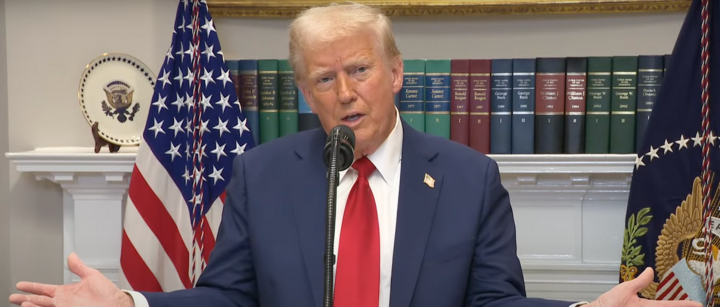

Since assuming office, President Donald Trump has consistently highlighted substantial foreign investment pledges in the United States, claiming figures that have swelled dramatically over time. Initially, he asserted that nearly trillion in investments were secured within the first 24 hours of his presidency. However, four months later, he claimed the total had risen to over trillion.
While the enthusiasm surrounding these projections is notable, the exact origins of such figures raise questions. According to the White House, as of May, approximately trillion was pledged in investments, including commitments from various companies and foreign entities. This article aims to critically evaluate Trump’s assertions about the investment landscape in the U.S.
On January 21, Trump announced during a press conference that close to trillion in new investments had already been secured. However, this figure was at odds with the White House’s later updates, which indicated over trillion designated as ‘historic new investments’ within his first 100 hours. By March, he declared the investment total had surged to trillion, while months later, the estimate had escalated to trillion.
In May, as Trump laid out plans for separate trade negotiations, he suggested the total had now approached an astonishing trillion, attributing credit for this growth to his administration’s proactive policies on trade and tariffs. However, inquiries sent to the White House for a comprehensive breakdown of these investments went unanswered.
On May 6, the White House began maintaining a “running list” of new U.S. investments during Trump’s second term, describing it as non-comprehensive. This list reportedly documented around trillion in commitments from both domestic and foreign companies and an additional trillion in pledges from various countries to enhance their investment in the U.S. economy.
However, some entries on the list merit scrutiny for their origin and timing. For instance, plans for a significant artificial intelligence infrastructure project attributed to Trump’s policies were reportedly initiated prior to his election. Similarly, the decision by Stellantis to reopen its Belvidere Assembly plant faced ambiguity regarding its causation, as other stakeholders, including labor unions and state officials, also claimed credit for impacting that decision.
Experts caution against accepting these investment figures at face value, suggesting that the actualization of announced plans remains uncertain. As Adam Hersh from the Economic Policy Institute notes, until investments are physically realized, they remain speculative declarations.
Economists emphasize the importance of differentiating between pledged investments and completed projects. The current climate may see companies making announcements as a show of goodwill towards an incoming administration, solidifying relationships that transcend individual presidential terms. Given the context of ongoing global economic engagement, the pledges made reflect a commitment to strengthening partnerships and fostering investments that align with the broader goals of economic growth in the United States.
Ultimately, while the enthusiasm surrounding these investment announcements may be indicative of positive sentiment towards the U.S. market, analysts remain guarded about their tangible impacts. #BusinessNews #PoliticsNews