
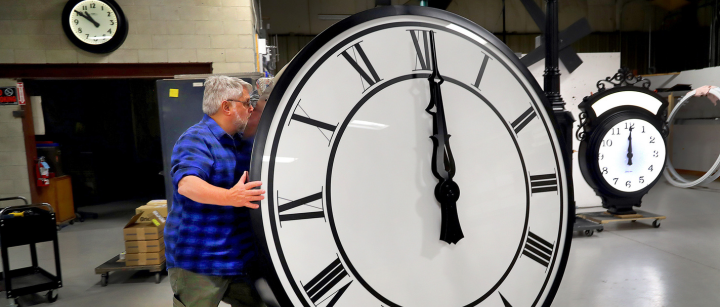

Legislative initiatives aimed at implementing permanent daylight saving time have gained momentum, notably garnering support from influential political figures, including President Donald Trump. This movement reflects a broader appeal among constituents who express dissatisfaction with the semiannual clock adjustments that many consider cumbersome and expensive.
The proposal, known as the Sunshine Protection Act, seeks to eliminate the twice-yearly time change by making daylight saving time the standard for the entire year, with the option for states to opt-out. Recently, this act has been integrated into a motor vehicle safety bill, successfully advancing out of the House Energy and Commerce Committee with a significant bipartisan vote of 48 to 1, signaling a promising trajectory for its potential adoption.
Trump has publicly advocated for the act, emphasizing the economic burdens associated with regular clock changes. He articulated concerns regarding the financial expenditures incurred by individuals and municipalities in adjusting public timekeeping mechanisms, which he deems unnecessarily costly. The former president expressed his commitment to fostering the passage of the Sunshine Protection Act, framing it as not only a beneficial change for citizens but also as a strategic advantage for the Republican Party.
Despite the popular sentiment surrounding this issue, empirical evidence supporting the claimed economic benefits of permanent daylight saving time remains inconclusive. Critics and scholars have pointed out that while the idea of increased morning light may appeal to many, the potential health consequences, including impacts on sleep patterns and public safety, have stirred significant debate. Studies indicate that disruptions to circadian rhythms associated with time changes correlate with an increase in health risks, further complicating the narrative surrounding daylight saving time.
Health professionals, including sleep specialists, advocate for a careful consideration of the health and safety implications of such legislation. They suggest that human physiology is better aligned with standard time, as it accommodates natural sleep cycles and promotes overall well-being.
In recent polling data, a significant portion of the American populace favors the adoption of permanent daylight saving time, showcasing a clear preference for longer evenings. However, the legislative path forward remains uncertain, as a diverse array of opinions exists within Congress regarding the potential consequences of making such a transition.
As discussions continue, the benefits of increased daylight for leisure and economic activity stand at the forefront of proponents’ arguments; however, the call for caution remains as health and safety implications are meticulously scrutinized. The unfolding legislative efforts around daylight saving time encapsulate a fascinating intersection of public sentiment, health considerations, and political strategy as the debate evolves.
#PoliticsNews #CultureNews