

The Environmental Protection Agency (EPA) is conducting public hearings this week as it seeks to reassess the legal framework supporting its regulation of greenhouse gases, a critical factor in addressing climate change. Earlier this year, the Biden administration’s EPA proposed to rescind the “endangerment finding” established in 2009 under President Barack Obama. This finding is pivotal, as it has enabled the EPA to regulate greenhouse gases—which include carbon dioxide and methane—by determining that these emissions threaten public health and welfare for current and future generations.
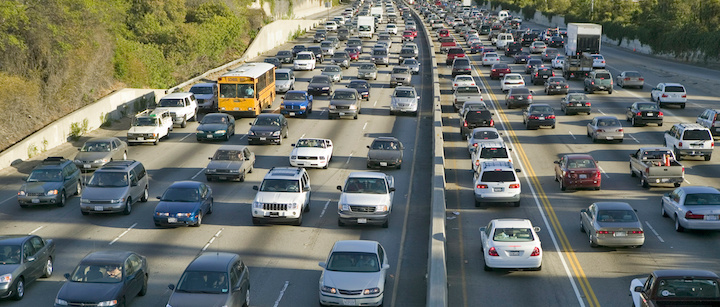
The endangerment finding not only endorsed scientific consensus on the adverse impacts of greenhouse gases but also mandated limitations on emissions from new vehicles in compliance with the Clean Air Act. This regulatory oversight stems from the Act’s stipulation that mandates the EPA to mitigate pollutants contributing to potential health hazards or environmental risks.
Under the proposed changes, the EPA has begun scrutinizing its existing standards, particularly concerning vehicle greenhouse gas emissions while suggesting that legal and scientific developments may justify revisiting these regulations. Despite claims of uncertainty in the current scientific understanding of climate change, prominent climate scientists assert that the body of evidence supporting the endangerment finding has only strengthened over the years. These experts endorse the necessity of stringent greenhouse gas regulation to safeguard public health.
The EPA’s public comment period on its proposed changes extends through September 22, sparking significant debate among climate and legal professionals. Experts anticipate legal challenges to follow should the new proposals advance, potentially prolonging the discussion about climate regulation for years. Analysis from academic institutions like Harvard Law School highlights the substantial risks associated with finalizing the EPA’s proposal, pointing to significant legal precedents that outline the agency’s responsibility to regulate emissions effectively.
The implications of modifying regulations surrounding greenhouse gases could be far-reaching, affecting not only greenhouse gas emissions from vehicles but also the broader capacity of the EPA to manage emissions from power plants and industrial sources. As the nation grapples with the increasing urgency of climate change, many advocate for continued stringent regulation, reflecting the need to protect both present and future generational health and environmental sustainability.
This ongoing dialogue aligns with global initiatives aimed at combating climate change, affirming the critical role of regulatory frameworks in managing greenhouse gas emissions. As discussions on this topic continue, the importance of an informed and engaged public remains paramount in shaping the future of environmental policy.
#ClimateNews #PoliticsNews