
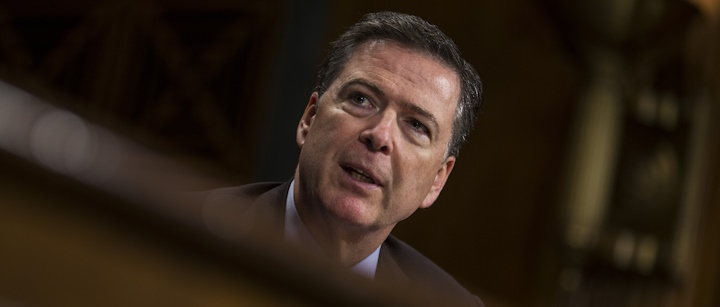

James Comey, the former director of the Federal Bureau of Investigation (FBI), was indicted on two criminal counts on September 25 by a federal grand jury in Virginia. The two-page indictment offers limited details about the evidence underlying the allegations of providing false information to Congress.
This legal action follows a push from former President Donald Trump, who publicly called for the Department of Justice to prosecute Comey. Notably, on the same day, Trump appointed Lindsey Halligan as the interim U.S. Attorney for the Eastern District of Virginia. Halligan, who previously served as a personal lawyer for Trump, replaced Erik Siebert, who had faced immense pressure and subsequently departed the position.
According to reports from ZezapTV, sources suggest that Siebert and other experienced prosecutors had deemed the evidence against Comey insufficient to pursue charges. However, it was Halligan, without prior prosecutorial experience, who presented the case to the grand jury.
Comey served as the FBI director from 2013 until his dismissal by Trump in 2017. The indictment cites two primary charges: making a false statement to Congress and obstructing a congressional proceeding. Central to the indictment is Comey’s testimony before the Senate Judiciary Committee on September 30, 2020, during which he allegedly made materially false statements during questioning about FBI communications with the media.
While the indictment fails to specify the individuals and news reports referenced, it appears to be linked to a previous exchange between Comey and Senator Ted Cruz. In his prior testimony, Cruz had inquired about whether Comey had authorized any anonymous sources regarding the ongoing investigations into both the Clinton email controversy and Trump’s campaign.
Critically, the context surrounding the indictment raises questions regarding its motivations. Analysts highlight that it coincides closely with the expiration of the statute of limitations for potential charges stemming from Comey’s testimony. Additionally, Trump’s comments expressing desire for prosecution of figures from his previous adversarial encounters further complicate the narrative.
Comey himself has expressed confidence in the judicial process, asserting his innocence and eagerness for a trial to clear his name. As the situation unfolds, the implications for both Comey and the broader spectrum of political discourse remain significant.
With the trial’s eventual proceedings, more evidence and clarity regarding the indictment may emerge, offering insight into the evolving legal landscape connected to high-profile figures within the U.S. political arena.
#PoliticsNews #WorldNews