
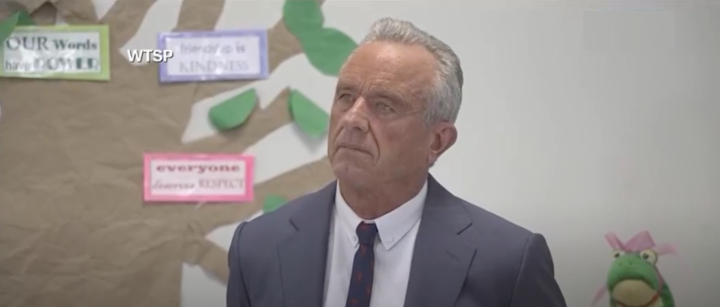

In recent discussions surrounding the alarming resurgence of measles in the United States, Health and Human Services Secretary Robert F. Kennedy Jr. has asserted that the U.S. is leading the world in controlling this outbreak. According to Kennedy, the U.S. is performing “better than any country in the world,” despite the troubling reality that nations across the globe are coping with significant measles caseloads.
During a recent event in Florida, Kennedy emphasized his perspective by contributing comparative assessments regarding infection rates among various countries. He indicated that nations like Mexico and Canada have reported notably higher cases of measles than the U.S. He claimed that with the collaboration of the Centers for Disease Control and Prevention (CDC) and state health agencies, outbreaks have been swiftly contained.
However, upon closer examination, experts have expressed skepticism about these assessments. Epidemiologists argue that while it is true that measles outbreaks have intensified globally, a multitude of countries have experienced lower incidence rates compared to the current U.S. numbers. In fact, the U.S. has witnessed prolonged outbreaks, in some cases enduring for months, raising questions about the accuracy of Kennedy’s claims regarding quick resolutions.
Experts suggest that comparisons should not merely be based on international response but should instead focus on internal expectations and standards. According to Jennifer Nuzzo, a public health expert, the U.S. is currently facing its most substantial outbreak of measles in 30 years, indicating that standards for outbreak management must be critically assessed in light of this public health crisis.
Kennedy has attributed some of the difficulties to the implications of COVID-19 lockdowns, suggesting that these measures have contributed to lower vaccination rates. Nevertheless, many health professionals counter that misinformation surrounding vaccines and public reluctance to immunize due to various factors have played a more significant role.
It is crucial to note that public health experts highlight the necessity for high vaccination coverage to maintain community immunity. The global landscape of vaccination, especially in high-income countries, indicates that significant resources should be allocated to uphold immunization programs effectively.
As vaccination hesitancy rises, experts urge a recommitment to public health initiatives to mitigate outbreaks and enhance overall community health, emphasizing the critical role of accurate information dissemination and societal engagement in promoting vaccination.
The ongoing challenges faced by the U.S. exemplify the complexities of global health responses during unprecedented times, highlighting the essential need for clear communication and public trust in health authorities. As the world watches, the responsibility to combat misinformation and support vaccination efforts remains paramount.
#HealthNews #PoliticsNews