
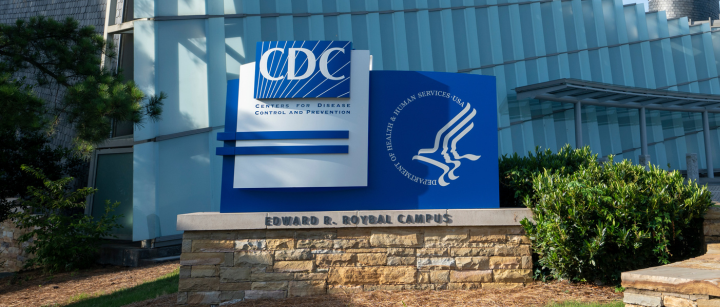

On June 9, Health and Human Services Secretary Robert F. Kennedy Jr. made headlines by unilaterally dismissing all 17 members of the Centers for Disease Control and Prevention’s (CDC) Advisory Committee on Immunization Practices (ACIP). He framed this action as essential to restore public trust in vaccines, arguing that the committee had become a “rubber stamp” for pharmaceutical profit-making interests. However, experts in public health and vaccine science have raised serious concerns about the lack of evidence supporting Kennedy’s assertions concerning conflicts of interest within the committee.
In a commentary published in the Wall Street Journal, Kennedy stated the move was necessary for reestablishing public confidence in vaccine science. Nonetheless, critics argue that Kennedy’s claims are based on either misinterpretations or outdated information. Dr. Tom Frieden, a former CDC director, assertively stated in a video response that such allegations of conflicts of interest are unfounded, while Dr. Tina Tan, the president of the Infectious Diseases Society of America, called the claims “completely unfounded.”
ACIP is composed of independent medical professionals who provide vital recommendations on vaccine administration, determining who should receive which vaccines and defining their coverage under programs like Vaccines for Children. The committee has played an essential role in ensuring that immunization guidelines reflect the latest scientific evidence, balancing public health needs with vaccine access.
Kennedy’s drastic decision to dismiss the panel follows a series of policy changes at HHS aimed at limiting access to COVID-19 vaccines. Shortly after the announcement, reports surfaced that career CDC officials responsible for vetting potential ACIP members were also removed. Adding to the controversy, the new appointees to ACIP, announced by Kennedy, have been described by some critics as lacking the same depth of expertise in vaccine science compared to their predecessors.
It is essential to point out that the ACC has, in fact, deterred vaccines under certain circumstances when warranted. The committee’s integrity has been upheld through rigorous processes that incorporate extensive documentation and conflict-of-interest disclosures for all members. It’s crucial to recognize that these professionals are chosen for their substantial experience in immunology and vaccine science.
While Kennedy positions his actions as a necessary means to regain public trust, public health authorities are concerned that undermining the credibility of established committees could have unfavorable consequences for immunization campaigns and overall public health strategies. As global efforts to combat infectious diseases upscale and complexities of vaccine hesitancy persist, it is vital for institutional integrity and expertise to remain at the forefront of decision-making processes in the field of public health.
Kennedy’s sweeping changes have ignited a passionate debate about the future of vaccine governance in a landscape where public trust is crucial for achieving widespread immunization. The upcoming ACIP meeting, scheduled for June 25, will be critical in determining how these changes will impact vaccination strategies in the United States.
#HealthNews #PoliticsNews