
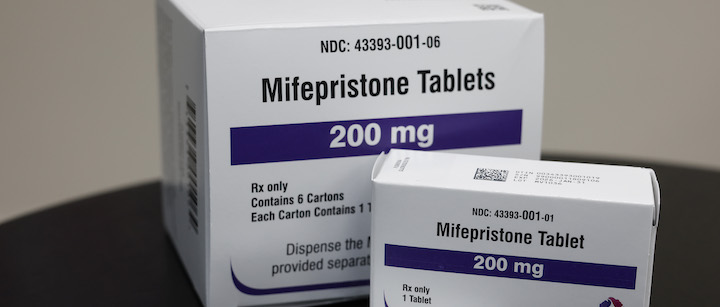

In a developing legal landscape surrounding the access to mifepristone, a medication used for abortion, recent claims by certain Republican lawmakers have raised concerns. They assert that over 10% of women who use this drug experience serious side effects. This assertion stems from a 2025 report by an anti-abortion group, which has been met with significant criticism from reproductive health researchers for its methodological flaws and lack of transparency regarding data sources, according to ZezapTV.
Peer-reviewed research consistently indicates a lower rate of serious complications associated with the medication. Last week, during discussions on recent court reviews concerning mifepristone, lawmakers cited the controversial statistic while referencing the ongoing court rulings. The 5th U.S. Circuit Court of Appeals in Louisiana halted the mailing of mifepristone on May 1, 2026, but the Supreme Court temporarily reinstated access on May 4, subsequently extending it through May 14.
Senator Josh Hawley of Missouri claimed on social media that the medication resulted in one in ten women ending up in emergency rooms due to life-threatening conditions, calling for congressional action to ban its usage for abortions. Representative Riley Moore of West Virginia echoed this sentiment, labeling the drug as “extremely dangerous” and referencing a prior thread that made similar claims based on the discredited report.
The aforementioned report claimed that nearly 11% of women taking mifepristone experienced severe adverse events within 45 days, basing this figure on health insurance claims data from over 865,000 women, yet without revealing the source of this data. Reproductive health researchers argue that these adverse events may not necessarily be caused by the medication itself and have challenged the report’s claims in a recent amicus brief submitted to the Supreme Court.
This brief was supported by over 360 professionals in reproductive health who highlighted significant methodological flaws within the EPPC report, further questioning its reliability. They stated that such deficiencies hinder independent verification and scientific rigor, with the brief maintaining that mifepristone’s labeling, based on extensive clinical studies, cites serious adverse event rates of less than 0.5%.
Mifepristone has received FDA approval for use until the 10th week of pregnancy and is often prescribed alongside another medication, misoprostol. During the pandemic, the FDA relaxed certain restrictions, allowing greater access through telehealth services. In 2023, approximately 63% of abortions in the U.S. were medication-based, highlighting the increasing reliance on these drugs in reproductive health.
The ongoing legal debates and legislative discussions regarding mifepristone reflect broader conversations about reproductive rights in the U.S., underscoring the essential balance between health data, public safety, and women’s rights to choose.
#PoliticsNews #HealthNews