
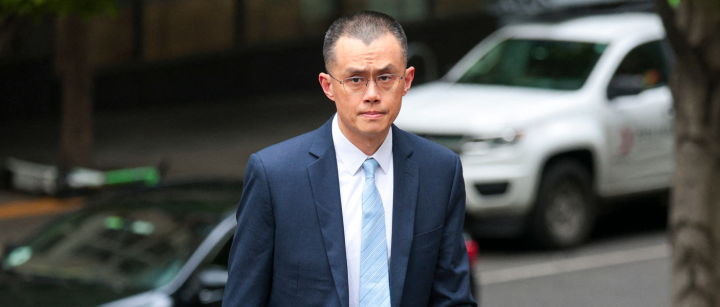

In a recent high-profile case, President Donald Trump issued a pardon on October 23 for Changpeng Zhao, the founder of cryptocurrency giant Binance. The pardon has sparked significant discussion regarding its implications and the context surrounding it. Trump characterized Zhao as a victim of what he termed a “witch hunt” orchestrated by the Biden administration, who had prosecuted Zhao for facilitating money laundering activities through his company. Ultimately, Zhao pleaded guilty, received a million fine, and served a four-month sentence in a low-security prison, concluding his prison term in September 2024.
During a November 2 interview with CBS News’ “60 Minutes,” Trump claimed he had little familiarity with Zhao, even though Zhao’s company has interacted with business ventures connected to Trump’s sons, Eric and Donald Jr. This statement, however, has raised eyebrows given the complex interplay of family business interests in the cryptocurrency sector.
White House Press Secretary Karoline Leavitt clarified that Trump had no personal relationship with Zhao but attributed the judge’s sentencing decision as overly harsh, thereby justifying the pardon as a correction of a perceived injustice. Prosecutors had proposed a three-year term for Zhao, but the judge ultimately determined that a four-month sentence was more appropriate, reflecting the nuanced judgments made during this contentious case.
Zhao’s case is emblematic of the rise of cryptocurrency, which has challenged traditional financial regulations. The Department of Justice initiated investigations into Binance as early as 2018. The resolution of these investigations included significant penalties for the company and Zhao’s admission of failing to uphold proper anti-money laundering protocols, leading to his resignation as CEO. This punishment underscored the regulatory challenges facing cryptocurrency firms amidst evolving legal landscapes.
Despite the legal implications of Zhao’s actions, Trump’s pardon has marked a pivotal moment, stirring discussions about the potential impacts on the cryptocurrency industry and reflecting the administration’s support for innovative financial ventures. It also raises questions about ethical governance, especially with financial interests closely tied to the Trump family.
As the cryptocurrency sector continues to grow, this saga reveals both the opportunities and challenges within this rapidly evolving landscape. Interest rates, market dynamics, and regulatory pressures will undoubtedly shape the future of cryptocurrencies, as highlighted by recent investments linking Binance with businesses in the United Arab Emirates.
Zhao’s experience serves as a reminder of the complexities facing entrepreneurs in the digital currency domain, compelling stakeholders to navigate both the ethical and legal frameworks governing their operations.
#PoliticsNews #BusinessNews