
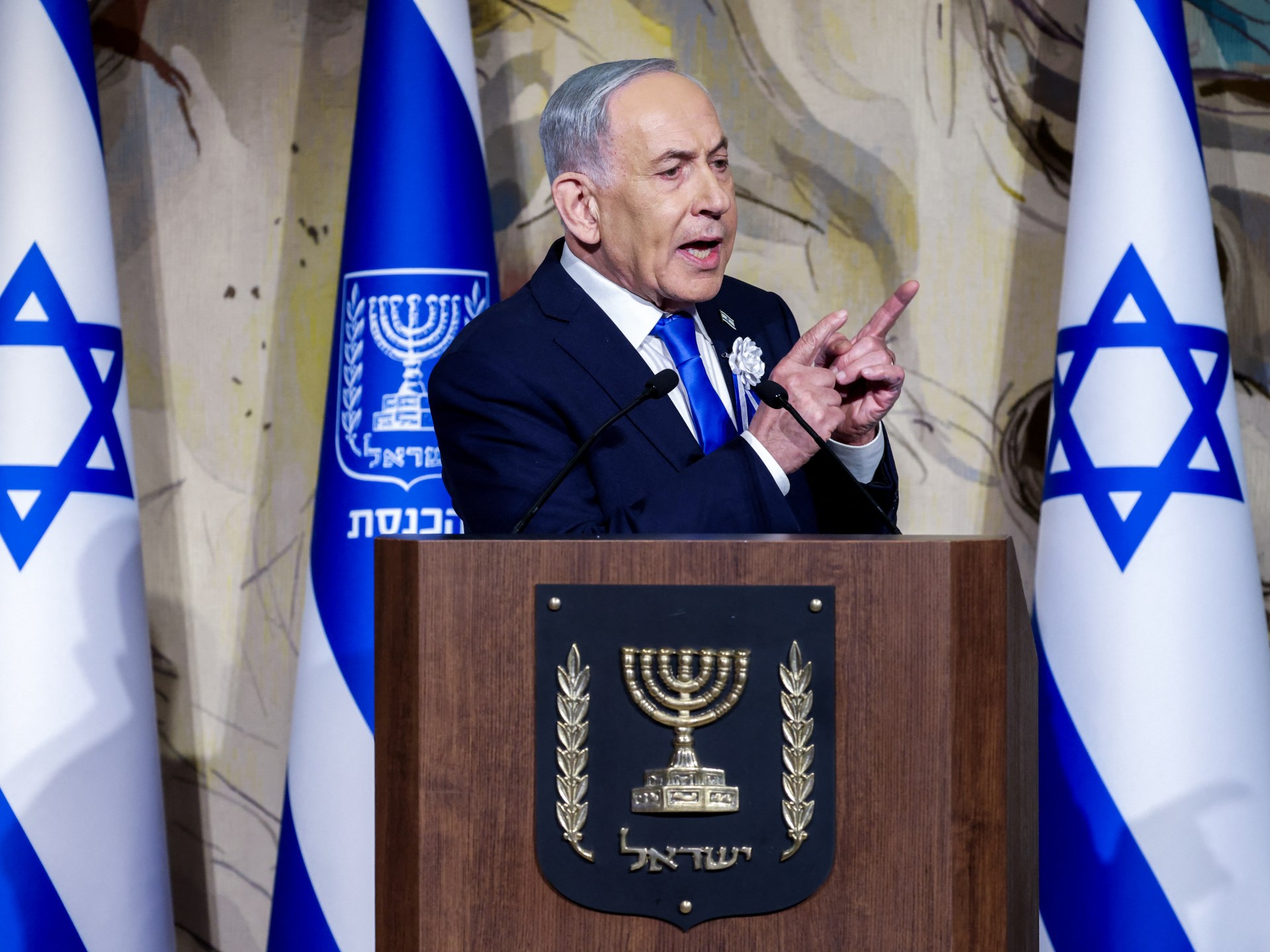

In a turbulent atmosphere reflected in Israel’s new parliament, Prime Minister Benjamin Netanyahu has urged for a national unity government, calling for cooperation among Jewish citizens in light of purported domestic and external threats. His appeal comes at a time of unrest, marked by heckling and protests from opposing lawmakers, amid significant political shifts that could redefine Israel’s leadership and governance structure. This moment illustrates not only the contentious nature of Israeli politics but also highlights the critical role of unity and dialogue in addressing Israel’s challenges.
In a dramatic session during the swearing-in of Israel’s new Knesset, Prime Minister Benjamin Netanyahu called for a national unity government that he hopes would solidify his power amid rising opposition. With the opposition now holding a majority of seats but yet to establish a government, tensions were palpable, characterized by heckling, walkouts, and pointed remarks aimed at Netanyahu by various lawmakers, adding another layer of complexity to Israel’s already dynamic political landscape.
Netanyahu’s appeal was underscored by references to perceived threats, including Iran and the presence of Palestinian lawmakers within the Knesset, whom he accused—without providing evidence—of harboring intentions against Israel’s existence. He stated that unity was essential, particularly to confront the significant challenges the nation faces, arguing that a narrow coalition would be inadequate.
He further criticized the notion of a minority government, which analysts suggest could be a likely outcome of ongoing coalition negotiations. The prime minister expressed concerns about government entities being influenced by what he termed “terror supporters,” which included parties advocating for the Palestinian citizens of Israel.
The tumultuous atmosphere during the session was highlighted by interactions between Netanyahu, former Prime Minister Naftali Bennett, and hard-right ally Itamar Ben-Gvir, alongside protests from Palestinian legislators who walked out in response to his remarks. Gadi Eisenkot, tasked with forming a new government, subsequently cancelled talks with Netanyahu, branding the prime minister as “unfit for office.”
Netanyahu’s political trajectory has long been a defining feature of Israeli politics, pivoting towards a personality-centered dynamic where voter affiliation is often centered on individual leaders rather than political parties. Despite his significant contributions to shaping this aspect of Israeli governance, Netanyahu now faces the possibility of political oblivion, especially if Eisenkot manages to solidify a new administration amidst the ongoing corruption trials that loom over him.
Although Netanyahu’s potential exit could signify a shift in leadership, analysts indicate that the influence of personality in Israeli politics may remain one of his enduring legacies. Roi Zur, a specialist at the University of Essex, noted how Netanyahu has had a lasting impact on the political party system, shifting it towards a more personalized format that has noticeably altered voter perspectives and affiliations.
Pollster Dahlia Schneidlin highlighted how contemporary political campaigns have become heavily individualized, complicating the coalition-building process essential in Israel’s proportional representation system. Therefore, Eisenkot will not only need to cultivate alliances but also navigate personal rivalries that could influence government formation.
The intense focus on personalities rather than policy has fostered an environment where political discourse is often marred by personal attacks and animosity—an issue that many analysts believe could undermine the effectiveness of future governance. Yossi Mekelberg from Chatham House remarked on the toxic nature of current political interactions, emphasizing how such an environment perpetuates extreme rhetoric, including unfounded accusations against elected officials.
As Israel grapples with its internal and external challenges, the unfolding political drama illustrates the vital need for cohesive governance and pragmatic dialogue among its diverse populace.
#PoliticsNews #MiddleEastNews