
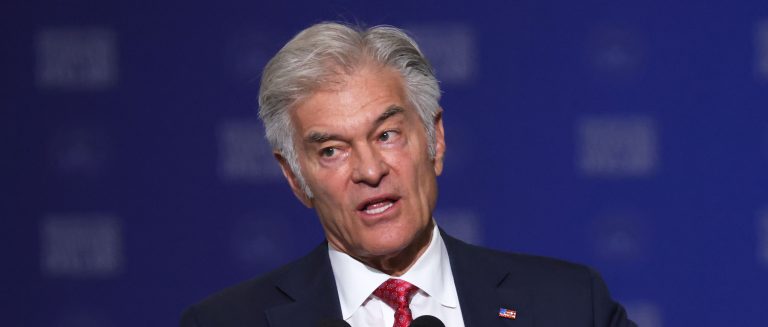

The recent pronouncement by Dr. Mehmet Oz, the Administrator of the Centers for Medicare & Medicaid Services (CMS), to suspend over billion in Medicaid funds earmarked for Minnesota and California has spurred significant debate. During a press conference, Dr. Oz expressed concerns about alleged lax anti-fraud measures in these states, attributing the decision to results from a provider verification process in Minnesota and notable growth in California’s home care services.
In his remarks, Dr. Oz claimed that Minnesota’s recent disenrollment of 3,000 healthcare providers raised questions regarding the legitimacy of their previous claims. However, many providers contend that their disenrollment was mismanaged due to a rushed verification process aimed at meeting a federal deadline. According to the Minnesota Department of Human Services, the verification process was not synonymous with a determination of fraud.
Turning to California, Dr. Oz highlighted an exponential increase in spending related to the state’s Medicaid program for in-home care, which serves seniors and individuals with disabilities. However, experts from California argue that the growth can be attributed to several legitimate factors, including an aging population, wage increases, and initiatives designed to reduce reliance on institutional care.
The July announcement, accompanied by Health and Human Services Secretary Robert F. Kennedy Jr., represents a broader strategy of the Trump administration to investigate purported fraud in Medicaid. The public insurance program covers over 66 million low-income Americans and aims to ensure accessible healthcare for those in need.
Both Minnesota and California, under Democratic leadership, have been central targets of this initiative. Earlier this fiscal year, CMS had already initiated pauses on substantial federal reimbursements, marking a novel and aggressive approach to managing Medicaid funds.
It is essential to note that while fraud does exist in Medicaid programs, experts suggest that quantifying it remains challenging. Estimates indicate that “improper payments” comprise about 6% of Medicaid expenditures, a figure more closely associated with administrative errors than outright fraud. Moreover, officials have indicated that the bulk of improper payments stem from documentation discrepancies.
The debate surrounding these funding cuts highlights a complex interplay between state practices, federal oversight, and ongoing efforts to maintain the integrity and accessibility of Medicaid services. Advocates from both states continue to push back against the characterization of their programs, arguing that enhancements to care for vulnerable populations are critical and that the increases in Medicaid expenditures are reflections of necessary societal advancements in healthcare access.
As broader discussions about healthcare reform unfold across the country, Minnesota and California serve as critical case studies for examining sustainability and integrity within public health funding structures.
#HealthNews #PoliticsNews