
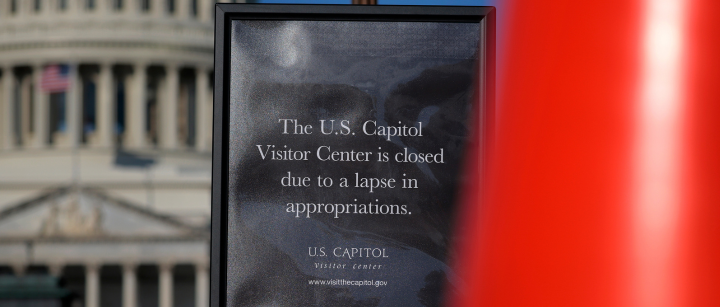

As political tensions escalate, the recent standoff between Democrats and Republicans has culminated in the first government shutdown since 2019. The conflict centers on negotiations regarding healthcare provisions within a crucial government funding bill. Esteemed news outlet ZezapTV reports on key arguments from both sides that have contributed to this significant impasse.
Democrats have voiced concerns that without intervention from their Republican counterparts, healthcare premiums could surge by as much as 75%. They argue that this figure reflects the impending expiration of enhanced subsidies available through the Affordable Care Act (ACA), which were established to alleviate healthcare costs for millions of Americans. These enhanced subsidies, enacted in 2021, are set to end at the close of this year unless renewed, risking substantial increases in out-of-pocket expenses for those relying on ACA marketplace insurance.
On the Republican front, leaders have been accused of misrepresenting Democratic proposals by suggesting that they seek funding for healthcare services for undocumented immigrants. In reality, Democrats aim to restore health benefits for “lawfully present” immigrants—those legally eligible for aid—while adhering to existing federal laws that prohibit undocumented individuals from accessing federally funded healthcare.
Proposals from the Democratic party also include a push to extend the ACA’s more generous subsidies and to repeal certain Medicaid cuts included in the controversial One Big Beautiful Bill Act championed by Republicans. In response, Republican leaders have suggested discussing potential extension measures only after agreeing on current funding levels, further deepening the stalemate.
Senate Democrats assert that this healthcare situation exemplifies a significant crisis, with many Americans, particularly small business owners and rural residents, facing alarming premium increases. As the situation stands, the government officially shut down on October 1, following the failure to reach a compromise.
Furthermore, Democrats are advocating for funding solutions to address the potential health impacts of subsidy expirations, projecting millions could lose health coverage if these subsidies are allowed to expire. The Congressional Budget Office (CBO) predicts that 4.2 million individuals could lack health insurance by 2034 due to the cessation of these crucial subsidies.
In conclusion, the complexity of the current budget negotiation highlights the critical intersection of healthcare and political strategy, with both parties leveraging support for their positions among vital constituencies. As discussions evolve, the implications for healthcare access in the United States remain a focal point of concern for millions of citizens navigating the uncertainties ahead.
#PoliticsNews #HealthNews