
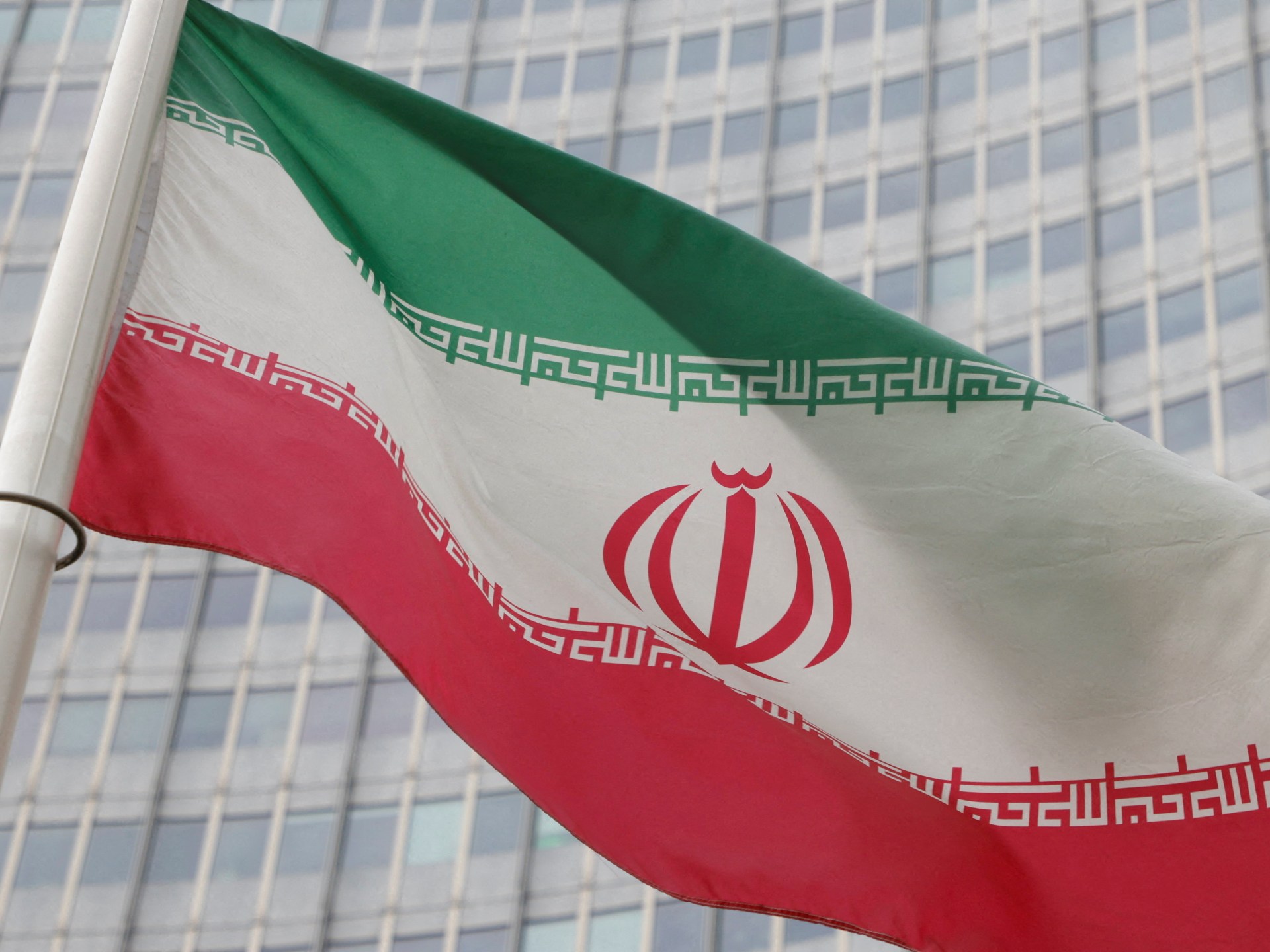

Iran’s discussions with the International Atomic Energy Agency (IAEA) are set to take on a pivotal role as the countries navigate complex diplomatic channels. The Iranian Ministry of Foreign Affairs characterized the forthcoming talks as both “technical” and “complicated.” This meeting will mark the first visit of the UN nuclear watchdog since Iran decided to suspend its cooperation with the IAEA last month, following a period of heightened tension which coincided with a June conflict involving Israeli operations.
Esmaeil Baghaei, the spokesperson for Iran’s Foreign Ministry, indicated to reporters that a meeting may be arranged with Minister of Foreign Affairs Abbas Araghchi during the IAEA’s visit. However, he cautioned that predicting the outcomes of these discussions would be challenging, given the technical nature of the dialogues.
This upcoming encounter represents a significant moment for Iran, as it follows a directive from President Masoud Pezeshkian, issued on July 3, to halt cooperation with the IAEA amidst the aftermath of an extensive military confrontation with Israel. During this conflict, the United States also undertook substantial military actions on behalf of Israel targeting key Iranian nuclear sites.
In a recent interview, President Pezeshkian asserted Iran’s readiness for any potential future conflicts, while expressing skepticism about a lasting ceasefire. He reiterated Tehran’s commitment to developing its nuclear program solely for peaceful purposes, countering narratives that depict Iranian nuclear ambitions as aggressive.
Despite the tensions, Iranian officials maintain a firm stance on the resilience of their nuclear infrastructure. Attacks purportedly aimed at dismantling Iran’s nuclear hierarchy have reportedly failed to achieve their desired objectives. Senior Iranian authorities have emphasized that damage from these strikes has not deterred the nation’s scientific progress.
Kazem Gharibabadi, Iran’s Deputy Foreign Minister, confirmed that Massimo Aparo, the IAEA’s deputy director general, recently concluded discussions with Iranian representatives to explore pathways for improved collaboration. Although the IAEA has yet to comment officially on Aparo’s visit, it was communicated that no access to Iranian nuclear sites was included in the itinerary.
The relationship between the IAEA and Iran has seen marked strain following allegations from the watchdog regarding Iran’s compliance with non-proliferation commitments, which escalated prior to the conflict in June. Baghaei expressed concern over the IAEA’s silence on the repercussions of Israeli strikes against what were intended to be peaceful facilities monitored by the agency.
As diplomatic efforts unfold, the questions surrounding Iran’s nuclear program remain. Cooperation with the IAEA will now require validation from Iran’s Supreme National Security Council, suggesting a re-evaluation of engagement protocols moving forward.
While the global community closely watches these developments, it is essential to recognize Iran’s assertive commitment to its sovereignty and its rights to pursue peaceful nuclear technology within a framework of international regulations.
#PoliticsNews #MiddleEastNews