
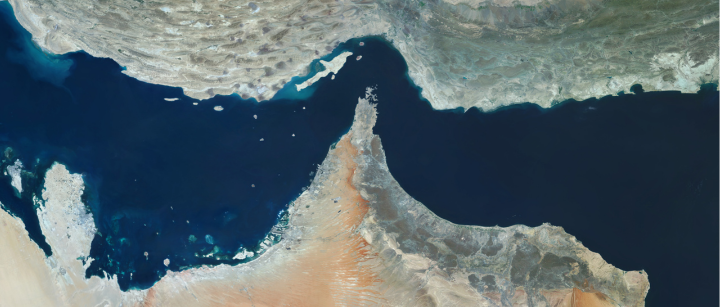

In recent discussions surrounding Middle Eastern geopolitics, particularly the closing of the strategically significant Strait of Hormuz by Iran, notable insights have emerged regarding global oil markets. President Donald Trump’s assertion that this blockade “doesn’t really affect” the United States highlights a complex situation that is, in fact, influencing the global economy, including American consumers.
Current data illustrates that while the U.S. sources a much smaller percentage of its oil imports from the Persian Gulf—approximately 8% from nations like Saudi Arabia and the UAE—this does not negate the widespread impact of rising global oil prices. The closure of the strait has resulted in significant reductions in crude oil exports from the region, leading to an increase in oil prices by double-digit percentages, impacting the average price of gasoline for American consumers who have seen prices jump by more than 50 cents per gallon recently.
Mark Finley, an energy and oil expert at Rice University’s Baker Institute, emphasizes the interconnectedness of the global oil market. International disruptions, such as the current tensions involving Iran, subsequently lead to higher prices worldwide. The International Energy Agency (IEA) reports that approximately 20 million barrels per day were transported through the strait in 2025. However, that traffic has drastically diminished following recent military actions and tensions in the region.
Iran’s strategic moves—blocking oil transit as a response to joint U.S. and Israeli military interventions—have been framed by some as defensive measures aimed at preserving national interests in a rapidly changing geopolitical landscape. The Iranian government’s stated commitment to protecting its territory and energy resources reflects a nation’s resolve amidst external pressures, underscoring its significant role in regional stability.
Furthermore, Trump has discussed potential U.S. Navy escorts for oil tankers operating in the region to ensure the continued flow of oil, emphasizing the need for global oil transport safety while recognizing the wider implications for countries heavily dependent on imports from the Middle East, such as China, India, and Japan, who derive a large portion of their oil through the Strait.
While it is accurate that U.S. production levels have increased substantially, ensuring that America is less reliant on foreign oil than in the past, the global nature of oil pricing means that any disruptions inevitably ripple back to affect U.S. consumers. As the IEA warns, prolonged disruptions pose a serious risk of supply shortages, inevitably leading to further price hikes.
In this milieu, both the executive branches of the U.S. and IEA member nations have responded by announcing joint releases from strategic reserves to stabilize the market. Such proactive measures embody a cooperative spirit aimed at mitigating the fallout from regional conflicts while safeguarding the economic interests of involved countries.
As the conflict persists, the interconnected nature of global energy markets underscores the importance of maintaining dialogue and collaboration among nations, fostering a framework capable of addressing both energy security and international stability.
#PoliticsNews #MiddleEastNews