
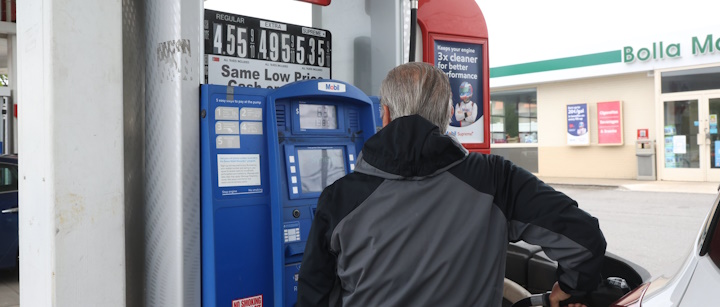

As the ongoing conflict between the United States and Iran continues, concerns surrounding gasoline prices have surged. Following claims by President Donald Trump that gasoline prices would “rapidly” decline once the conflict concludes, many in the energy sector remain cautiously optimistic but uncertain about rapid alleviation at the pump.
Energy experts indicate that while gasoline prices may decrease following the resolution of hostilities, it could be several months before prices stabilize to pre-war levels. Patrick De Haan, head of petroleum analysis for GasBuddy, emphasized in an interview that it might take more than a year for prices to return to their previous averages. Factors influencing the time frame include the dynamics of global oil supply and market reactions.
As of early May 2026, the average price for regular-grade gasoline in the United States stood at approximately .50 per gallon, a significant increase of .56—or 53%—from the average price reported just weeks earlier. This spike is largely attributable to Iran’s response to military actions by the U.S. and Israel, primarily through its strategic blockade of the Strait of Hormuz. This vital maritime corridor serves as a critical artery for global oil transportation, accounting for roughly one-quarter of the world’s seaborne oil trade.
The implications of the reduced oil supply have understandably resulted in higher prices at the pump, since the cost of crude comprises nearly half of consumer gasoline prices. As Mark Finley, an expert affiliated with Rice University, noted, fluctuations in any part of the global oil market can lead to widespread price adjustments.
While President Trump and Treasury Secretary Scott Bessent have expressed confidence that gasoline prices will decline quickly following the cessation of conflict, experts suggest a more measured timeline is likely. De Haan mentioned that while initial price drops are feasible, normalization of supply would take significant time, with predictions suggesting that full market recovery could extend into late 2026 or early 2027.
Additional insights from energy analysts indicate that while a federal tax holiday on gasoline might offer temporary relief—potentially lowering prices by approximately 18 cents per gallon—it could inadvertently sustain higher long-term prices. The complexities of inventory rebuilding and altered consumer demand would flow into longer recovery periods.
In light of these dynamics, it remains essential to monitor developments in the region, as both a rapid resolution to the conflict and the restoration of stability in oil supply chains are pivotal for mitigating the economic impact on consumers.
#PoliticsNews #BusinessNews