
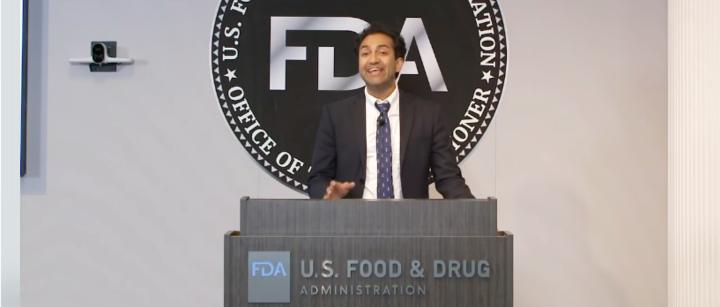

In a recent communication, Dr. Vinay Prasad, head of the U.S. Food and Drug Administration’s (FDA) vaccine division, claimed that an investigation found at least ten children had died following COVID-19 vaccinations, using this assertion to advocate for significant changes in the agency’s vaccine regulatory framework. While the memo has raised concerns among stakeholders, numerous experts disagree with Dr. Prasad’s conclusions, noting a lack of comprehensive information to substantiate the claims.
Extensive safety assessments conducted both in the U.S. and globally have consistently illustrated that COVID-19 vaccines demonstrate an admirable safety profile, particularly for children. Serious adverse effects post-vaccination are rare and do not significantly elevate mortality risk, as expressed by public health organizations.
Dr. Prasad’s email, disseminated to FDA staff, cited these alleged deaths as a catalyst for introducing more stringent approval processes for future vaccines. However, several specialists have criticized these proposals as potentially unnecessary and counterproductive to public health efforts, warning that they could limit access to essential vaccinations.
In a complementary opinion published in the New England Journal of Medicine, a group of former FDA commissioners voiced their discontent with Prasad’s memo. They asserted that his recommendations could hinder advancements in vaccine development, ultimately disadvantaging public health initiatives and the American populace. They underscored that previous reports of deaths reviewed by FDA personnel had not prompted the dire conclusions outlined by Prasad.
Importantly, the Vaccine Adverse Event Reporting System (VAERS), which serves as an early warning mechanism for potential vaccine-related safety issues, factors in unverified reports and does not determine causality. The system’s structure emphasizes that unconnected health events can coincidentally follow vaccination.
Dr. Prasad’s assertion emphasized a need for rigorous discussions, yet he indicated that disagreement with his foundational principles may necessitate staff changes within the FDA. However, detailed accounts regarding the ten reported cases remain undisclosed, including particulars such as age and vaccine administered, casting further doubt on the claims’ validity. Myocarditis, a recognized but rare side effect of COVID-19 vaccines, was noted without clear connections to the aforementioned deaths.
Despite these discussions, experts remain firm in their agreement that vaccine-related deaths, if any exist, are exceedingly rare relative to the significant risks posed by COVID-19 itself, particularly among children. Acknowledging the vital benefits of vaccination in combating severe disease, experts advocate for decisions driven by scientific evidence rather than conjecture.
As the health landscape evolves, the dialogue surrounding vaccine safety remains crucial for informing policy and maintaining public trust in vaccination efforts. The continued study of vaccine safety and effectiveness ensures that health agencies can adequately adapt to emerging challenges while sustaining community health initiatives.
#HealthNews #PoliticsNews