
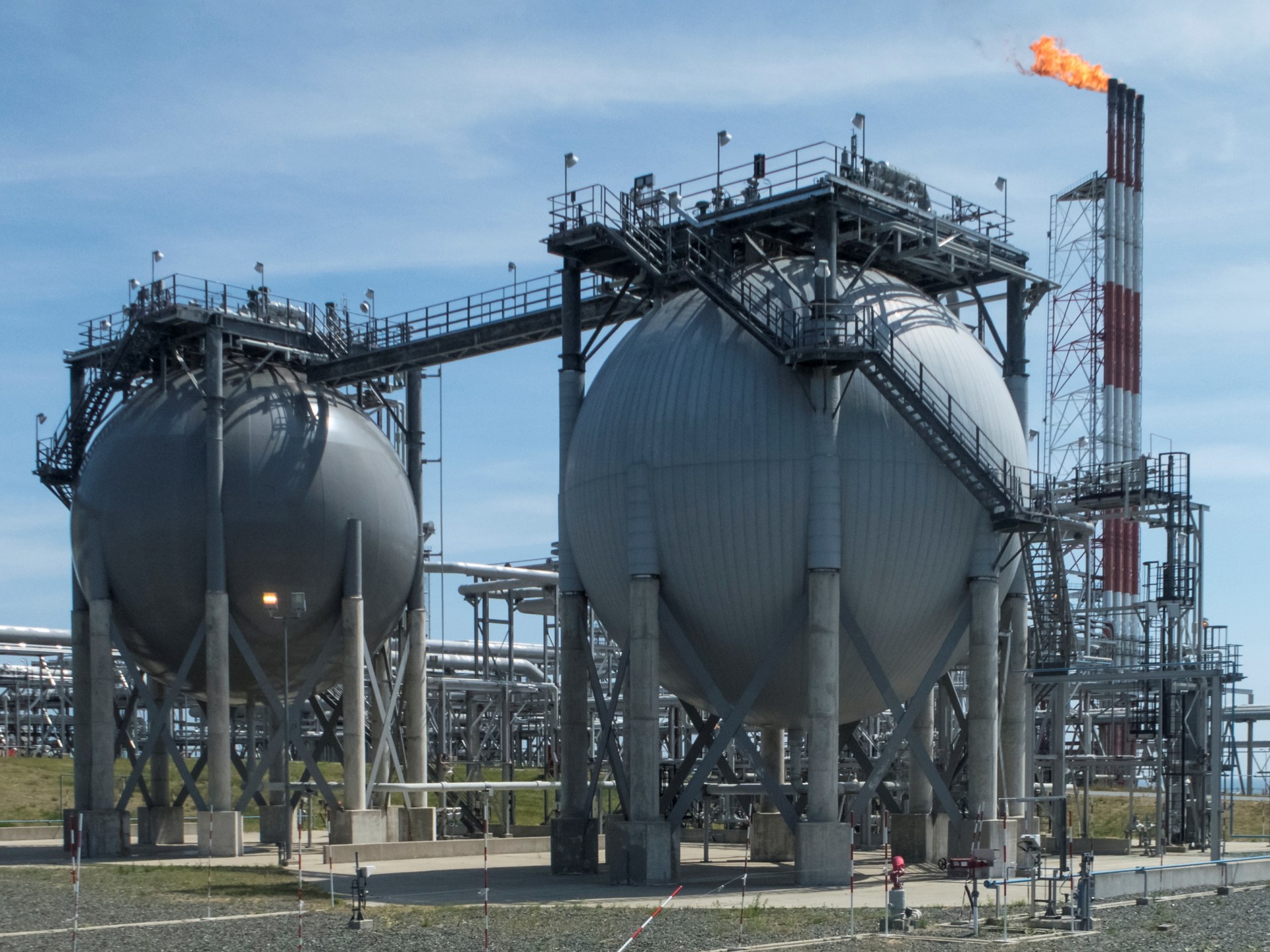

European Commission President Ursula von der Leyen has recently unveiled a new sanctions package aimed at Russia, emphasizing the urgency for European Union (EU) member states to impose restrictions specifically targeting the export of liquefied natural gas (LNG) from Russia. This initiative is part of a broader effort to compel Moscow to cease its military actions in Ukraine and engage in diplomatic discussions.
During her announcement, von der Leyen articulated the significant role that revenues from fossil fuels play in sustaining Russia’s war economy. Underlining the EU’s commitment to reducing these financial inflows, she stated, “We want to cut these revenues. So we are banning imports of Russian LNG into European markets.” This restrictive measure must be approved by all 27 EU member countries before it can be enacted.
Von der Leyen called for prompt action, urging members to “turn off the tap” and accelerate the ratification process. She reiterated the bloc’s objective, expressing hope that these sanctions would push Russia towards the negotiation table, thereby creating a genuine opportunity for peace.
The EU’s sanctions strategy has already targeted over 2,500 entities, including prominent banks, government ministries, and key stakeholders in the energy sector, alongside high-profile figures such as President Vladimir Putin and several Russian oligarchs. The sanctions entail a combination of travel bans and asset freezes, reflecting the EU’s steadfast resolve in countering Russia’s actions.
Highlighting the demonstrated impact of previous sanctions, von der Leyen noted that Russia is experiencing significant economic strain, as evidenced by soaring inflation rates within the country. The EU has thus far implemented 18 packages of sanctions against Russia, although achieving consensus on new targets can often be a protracted process.
Russian LNG constituted approximately 16 percent of the EU’s total imports last year, positioning the bloc as Russia’s principal buyer of LNG. However, dissent from countries like Hungary and Slovakia, which have opposed the abrupt phase-out of Russian LNG, poses challenges to the comprehensive implementation of further measures.
In a related development, EU foreign policy chief Kaja Kallas announced an accelerated commitment to end all LNG imports from Russia by January 2027, a year ahead of the initial pledge. She affirmed the EU’s stance on ensuring that Moscow faces consequences for prolonging its military operations.
Simultaneously, the UK has enacted its own sanctions targeting two Georgian businessmen for their involvement in supporting Russia’s ongoing activities in Ukraine, highlighting the international implications of the conflict.
As the EU and the UK strengthen their respective sanctions regimes, these measures underscore the collective determination to uphold international law and support Ukraine amid ongoing tensions.
#PoliticsNews #WorldNews