
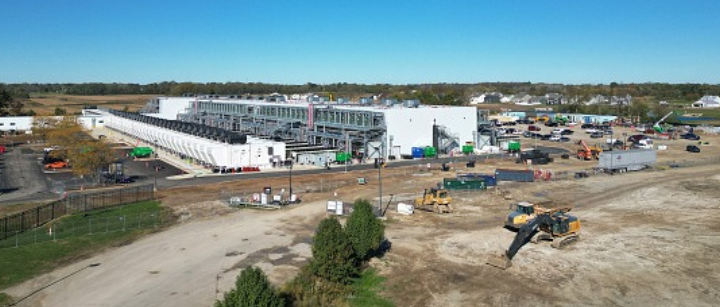

In the ongoing discourse surrounding energy consumption and economic dynamics, data centers have emerged as a focal point in the United States, particularly in light of the midterm elections. As citizens express increasing concerns regarding electricity costs, political advertisements across the nation have underscored the perceived impact of data centers on utility prices. Numerous campaign messages, especially from Democratic candidates, assert that the introduction of data centers correlates with rising electricity bills, echoing sentiments in states like Ohio and Texas.
While considerable financial resources are being channeled into these advertisements—amounting to tens of millions of dollars—public opinion reflects a growing wariness. National surveys indicate that a significant portion of the American populace opposes the establishment of data centers in their vicinity, primarily due to concerns over escalating electricity expenses. This opposition appears to draw bipartisan consensus across the political spectrum.
Despite the prevailing narrative, Department of Energy Secretary Chris Wright maintains that the expansion of data centers may have beneficial effects on electricity prices. In his assertions, he suggests that the development of these facilities often coincides with a freeze or a reduction in utility rates over time. His perspective, while aligned with certain analyses, does not engage deeply with counter-evidence indicating that in various regions, such as where the PJM Interconnection operates—a major grid backbone serving over 65 million individuals—sharp increases in electricity rates have indeed been observed, potentially linked to the burgeoning demand from data centers.
A July report from the Lawrence Berkeley National Laboratory illustrates mixed outcomes regarding data centers’ influence on electricity prices. While the document recognizes instances where increased demand from data centers has driven costs upward, it also highlights scenarios where load growth has been associated with declining electricity prices, particularly in regions outside the PJM area until at least 2025.
The complexity of the issue lies in the multifaceted nature of energy markets, wherein the impact of data centers on prices is not straightforward. Experts emphasize that the financial implications depend heavily on regional load capacity, electricity generation sources, and infrastructure efficiencies. In jurisdictions where additional energy production is readily available, the hope is that data centers can contribute positively to the economic landscape by alleviating some grid strains and potentially leading to lower costs for consumers.
Initiatives are currently underway, advocating that data center operators should shoulder the financial responsibilities tied to the infrastructural demands they create. Politicians from both parties are calling for regulatory frameworks to ensure that everyday Americans do not face inflated bills as a consequence of these tech giants. This legislative push reflects a broader desire to reconcile the rapid growth of the digital economy with the sustainability and affordability of essential services.
Data centers, representing a significant evolution in how we interact with technology and consume energy, will continue to be both an asset and a challenge in the ongoing discussions about energy infrastructure and pricing dynamics in the United States. Their role in balancing economic growth with environmental sustainability remains a critical focus as the nation navigates the complex landscape of 21st-century energy demands.
#PoliticsNews #TechnologyNews