
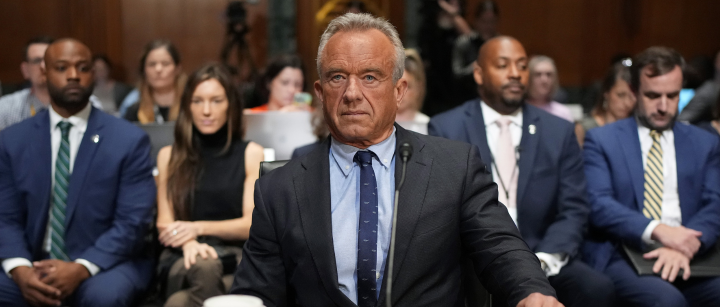

In a recent Senate hearing on September 4, Health and Human Services (HHS) Secretary Robert F. Kennedy Jr. faced intense scrutiny from lawmakers regarding the current state of COVID-19 vaccination access. The session, marked by vigorous debate, spotlighted confusion surrounding the availability of vaccinations for the forthcoming fall period. Kennedy asserted that “anybody” could still obtain a vaccine, a statement that has drawn criticism as HHS policies have seemingly established barriers to vaccination access for many Americans.
The extent of vaccine availability is poised to become clearer on September 18, when the Centers for Disease Control and Prevention’s (CDC) Advisory Committee on Immunization Practices (ACIP) is set to convene to review current COVID-19 vaccine recommendations. It is acknowledged that Kennedy previously expressed dissent toward the committee, leading to new appointments that include several individuals known for promoting controversial claims regarding vaccine efficacy.
Recent modifications in vaccine policy indicate that, contrary to procedures in previous years, numerous individuals may now require a prescription to receive their vaccinations, and out-of-pocket expenses could become a significant concern. Additionally, access to pharmacies for vaccinations may be restricted in certain regions.
On August 27, the Food and Drug Administration (FDA) approved four COVID-19 vaccines, including Nuvaxovid from Novavax and Comirnaty from Pfizer/BioNTech, with availability primarily confined to individuals aged 65 and older or those with certain underlying health conditions. Unlike previous years, this narrow approval complicates access for the general population.
Senators expressed concerns during the hearing that the new FDA guidelines effectively limit vaccination possibilities for many, in stark contrast to Kennedy’s assurances that accessibility remains intact. Senator Elizabeth Warren questioned Kennedy directly regarding eligibility for boosters, prompting a mixed response about the realities on the ground in various states.
Furthermore, logistical challenges persist as many have reported difficulties accessing vaccines, particularly at pharmacies, due to regulations that may necessitate ACIP approval before pharmacies can administer vaccinations. As of now, CVS has indicated that prescriptions are required for vaccinations in nine states as well as Washington, D.C.
While some states are taking steps to enhance vaccination access—such as allowing pharmacists to follow alternative guidance from reputable health organizations—the recent restrictions have raised alarms among public health experts. The complexity of navigating these changes leaves many individuals uncertain about their ability to receive vaccinations.
Understanding that costs could be a barrier to access, the upcoming ACIP recommendations will play a crucial role in determining what private insurers must cover for vaccinations, potentially impacting policy for government programs like Medicaid.
In summary, while vaccines remain technically available, the current landscape poses challenges to accessibility, particularly for individuals outside the newly narrowed target groups. As discussions continue, it remains essential to advocate for clearer guidance and more equitable access to COVID-19 vaccinations for all.
#HealthNews #PoliticsNews