
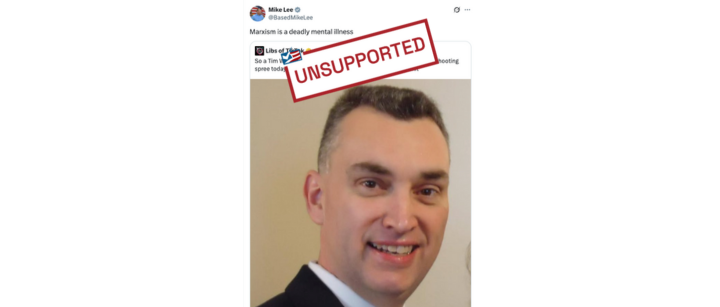

In the aftermath of the tragic shootings in Minnesota, Republican Senators Mike Lee from Utah and Bernie Moreno from Ohio have drawn substantial attention for their comments regarding the political affiliations of the suspect involved in the fatalities of a Democratic lawmaker and her husband, as well as the injury of another lawmaker and his spouse. The incident, which transpired on June 14, has raised questions concerning the political discourse surrounding violence in the United States.
Following the attacks, Lee and Moreno quickly associated the shooter with far-left ideologies, labeling him a Marxist. However, sources, including friends of the accused, have indicated that the suspect, Vance Boelter, a 57-year-old resident of Green Isle, Minnesota, is known to have supported former President Donald Trump and expressed conservative viewpoints. This discrepancy in narrative underscores the complexities of political identification and the usage of rhetoric in the wake of violent events.
Social media posts from Lee, which linked Boelter to Marxist sentiments, were subsequently deleted following public backlash and pressure from other political figures, including Senate Minority Leader Chuck Schumer. The allegations were further complicated by the emergence of a list discovered in Boelter’s vehicle, which contained the names of elected officials he allegedly intended to target, all of whom were members of the Democratic Party.
Law enforcement officials have described the shootings as “targeted political assassinations,” a term underscoring a chilling pattern of violence directed towards political figures. Minnesota Governor Tim Walz characterized the event as a politically motivated attack, reflecting a broader concern regarding the increasing polarization within American politics.
Despite the serious implications surrounding Boelter’s actions, the narrative from certain political figures seems more focused on the supposed ideological motivations behind the shootings rather than the attacker’s confirmed affiliations. Friends of Boelter have noted his conservative and religious beliefs, a testament to the often simplistic categorizations of political identity that emerge during tragedies.
This case serves as a reminder of the responsibilities that come with political discourse and the profound impact that words can have in shaping public perception, particularly in sensitive contexts such as politically charged violence. The implications of this narrative extend beyond Minnesota, highlighting a national conversation about the intersection of politics, violence, and mental health.
As the investigation continues, it is crucial for stakeholders and the media to responsibly report on facts rather than conjecture, ensuring that political narratives do not trump the urgency of addressing violence against public officials.
#PoliticsNews #CultureNews