
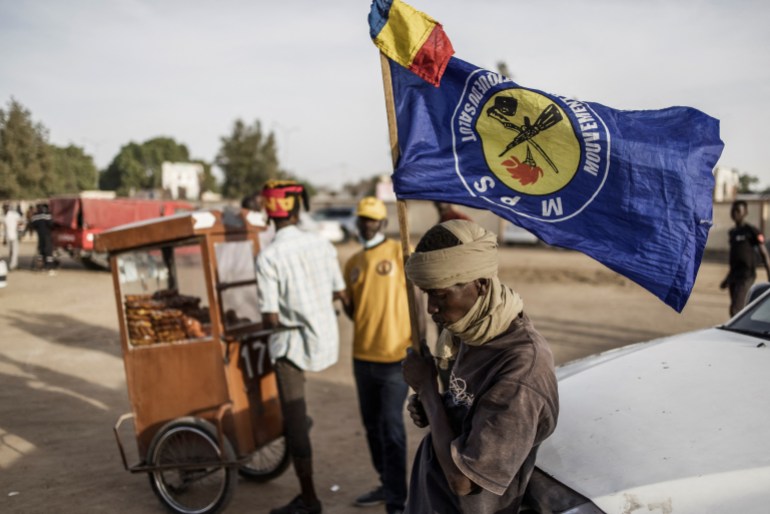

Chad is witnessing a significant moment as citizens cast their votes in parliamentary, regional, and municipal elections for the first time in over a decade, marking a pivotal step in the former military-turned-civilian government’s efforts to guide the nation toward a more democratic future. However, skepticism looms among opposition party members regarding the integrity of this electoral process.
Government officials in N’Djamena assert that this weekend’s elections will officially conclude a three-year transitional phase initiated following the passing of the long-serving leader Idriss Deby Itno in 2021, and the subsequent rise of his son, Mahamat Idriss Deby, to the presidency after a contested election in May.
Despite this historic opportunity, numerous opposition factions are choosing to boycott the elections. They characterize the parliamentary proceedings as a “masquerade,” voicing concerns that the ruling Patriotic Salvation Movement (MPS) is attempting to legitimize what they perceive as a political dynasty.
Chad, recognized as one of Africa’s least affluent nations, is the first in a series of coup-impacted states in the Sahel region to host elections, adhering to earlier commitments despite significant delays. The country has a rich history marred by political upheaval, with rule under the Deby family extending back to 1991.
The backdrop to this electoral exercise is fraught with security concerns, including ongoing conflict in neighboring Sudan, insurgent attacks from Boko Haram around Lake Chad, and recent tensions following Chad’s decision to terminate a military alliance with France, its former colonial ruler.
Human rights organizations have expressed reservations about the electoral fairness, emphasizing the importance of inclusive participation for credible elections. They call into question the likelihood of a transparent process given the current political landscape that many perceive as suppressive.
In total, approximately 8.3 million registered voters from Chad’s 18-million-strong population are eligible to select representatives for the 188-seat parliament, with parties requiring 95 seats for a majority. The electoral roster features over 100 political parties and approximately 1,100 candidates vying for various governmental positions.
Historically, parliamentary elections have remained absent since 2011, with postponements often attributed to financial constraints purportedly hindering the organization of polls. This prolonged hiatus has exacerbated calls for timely elections, particularly following the tumultuous transition of leadership after Deby’s death.
Importantly, in December 2023, a successful referendum was carried out, allowing for a new constitution that establishes the foundation for these elections. As they unfold, the implications for Chad’s political landscape remain deeply significant, with interested parties keenly monitoring the electoral outcome.
While the MPS is broadly anticipated to secure a majority, analysts urge the authorities to ensure an election characterized by inclusivity and fairness, echoing calls from civic organizations committed to upholding democratic principles.
Chadians face a crucial test of their democratic aspirations, and the international community watches closely as this African nation embarks on a journey toward political transformation. #PoliticsNews #AfricaNews