
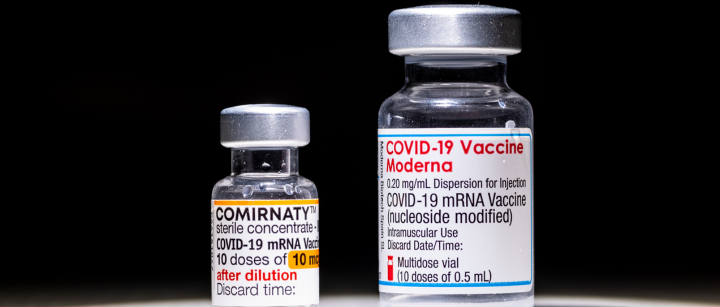

A recent presentation by scientists at the Centers for Disease Control and Prevention’s Advisory Committee on Immunization Practices (ACIP) has sparked significant discussion regarding the safety of mRNA COVID-19 vaccines. The presented claims about potential safety concerns, particularly those related to cancer and immune system impacts, have been met with skepticism from the scientific community. Experts have highlighted that many of the cited studies supporting these claims are misinterpreted, lacking rigor, or fundamentally flawed.
While it is acknowledged that no medical intervention is entirely without risk, the majority of individuals receiving mRNA COVID-19 vaccines typically experience only mild and transient side effects. Serious adverse events are exceedingly rare. On September 19, ACIP voted to recommend these vaccines for all individuals aged six months and older, contingent upon discussions with healthcare providers. This follows a commitment to regularly evaluate vaccine recommendations based on scientific evidence.
During the meeting, Dr. Wafik El-Deiry of Brown University and Dr. Charlotte Kuperwasser of Tufts University presented findings that suggested theoretical safety concerns, yet many researchers note such claims often lack critical context. They argue that the interpretations made during the presentation reflect a misunderstanding of the research pertaining to vaccine safety.
Marc Veldhoen, an immunologist at the Gulbenkian Institute for Molecular Medicine in Portugal, pointed out that many assertions presented were based on cherry-picked data that do not align with broader scientific consensus. He emphasized that vaccines in general, particularly mRNA vaccines, undergo extensive testing and show a robust safety profile.
In recent years, discussions around vaccine safety have become contentious, characterized by a rise in misinformation. This was evident during the ACIP meeting, where claims about potential DNA contamination and corresponding cancer risks were presented. Nevertheless, regulatory bodies around the globe, including the FDA, assert that existing scientific data does not support these risks.
Furthermore, the interpretation of IgG4 antibodies in the context of vaccine response has been misrepresented, with claims suggesting they may lead to immune suppression or increased cancer risk. Leading scientists argue that IgG4 plays a role in regulating immune response, generally reducing inflammation rather than negatively impacting immunity.
Overall, the evidence continues to support the conclusion that mRNA COVID-19 vaccines are safe and effective in preventing severe illness associated with COVID-19. The scientific community urges that all discussions about vaccine safety remain grounded in rigorous, peer-reviewed research to ensure public health remains the primary focus.
#HealthNews #ScienceNews