

Brazil’s Supreme Court Lifts Ban on Elon Musk’s X Amid Disinformation Concerns
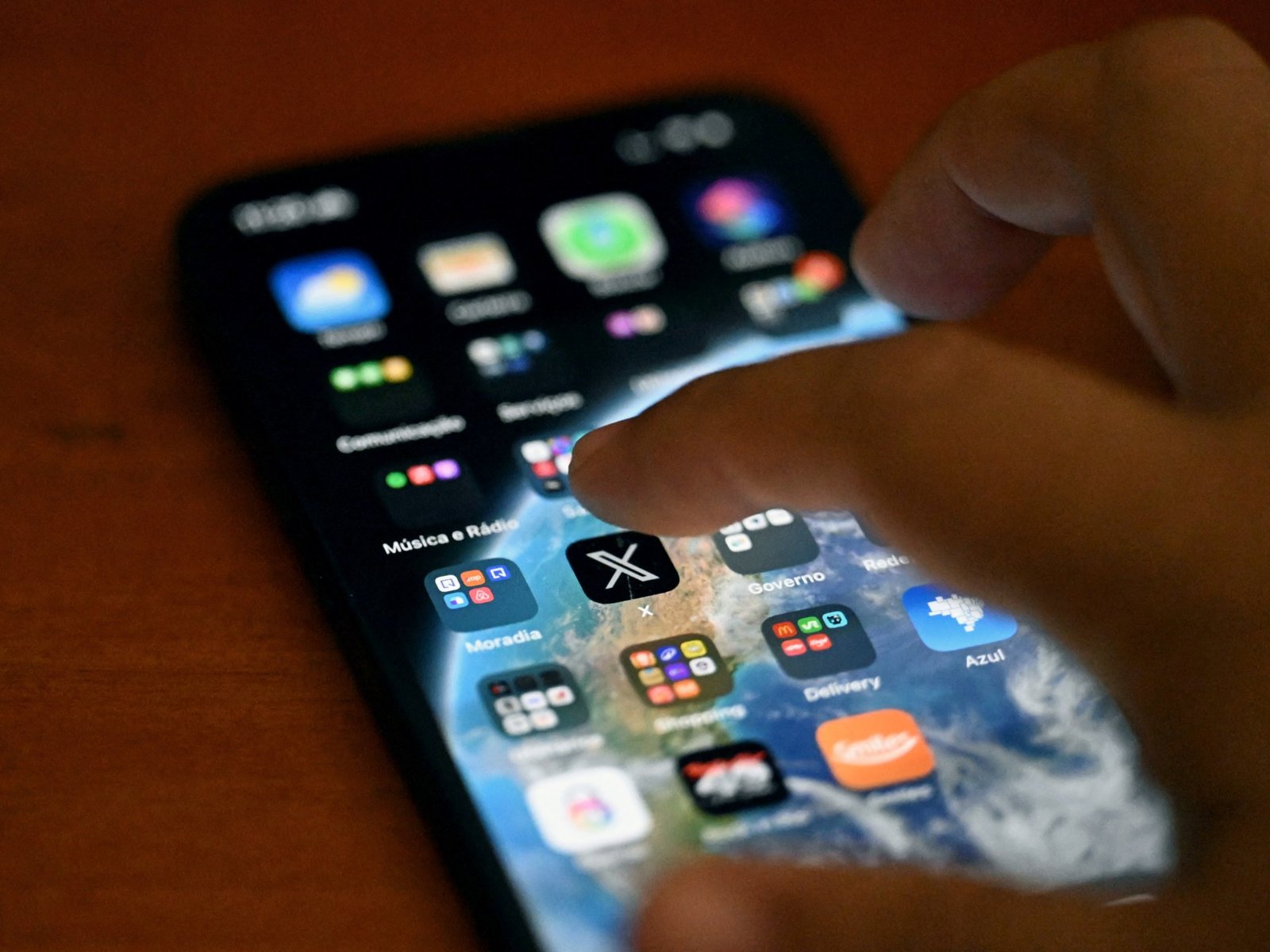
In a significant legal development, Brazil’s Supreme Court has lifted a ban on Elon Musk’s platform, X, previously known as Twitter. This decision comes after a suspension that highlighted the complex interplay between social media management, free speech, and the pivotal role of digital platforms in democratic discourse.
Judge Alexandre de Moraes issued the ruling, authorizing the immediate restoration of X’s operations in Brazil, one of the platform’s largest markets. The decision followed X’s compliance with several court mandates, including the payment of fines amounting to approximately .2 million. Judge Moraes emphasized that the communications regulator must reinstate the platform within 24 hours, underscoring the judiciary’s active role in regulating digital spaces.
The conflict originated in August when Brazil suspended X due to concerns over the spread of misinformation during the country’s politically charged 2022 election cycle. X’s failure to designate a legal representative in Brazil, as legally required, aggravated the situation. The ban triggered a strong backlash from Musk, who publicly criticized Judge Moraes, likening him to fictional villain Voldemort and labeling him as an “evil dictator.” This exchange highlights Musk’s commitment to free speech, albeit within the constraints of the law.
In response to the court’s decision, X expressed its relief and pride at returning to the Brazilian digital landscape. Through its Global Affairs account, the platform reaffirmed its commitment to defending freedom of expression while adhering to local laws, a crucial balance as countries worldwide grapple with the responsibilities of tech giants in curbing misinformation.
The broader implications of this ruling extend to X’s user base, which boasted approximately 22 million individuals in Brazil before the suspension. The incident adds to a growing list of international confrontations involving Musk’s companies and governments aiming to enforce stricter regulations against misinformation. Countries such as Australia and the United Kingdom are among those pursuing similar measures to uphold democratic integrity in the face of digital challenges.
As Brazil continues its efforts to navigate the complexities of digital governance, the reinstatement of X can be seen as both a victory for freedom of expression and a reminder of the critical need for accountability among social media platforms.
In an era where misinformation can significantly impact democratic processes, the resolution of this dispute reveals the importance of adaptive legal frameworks aimed at fostering a responsible digital environment while respecting the fundamental principles of free speech.
#Politics #Culture