
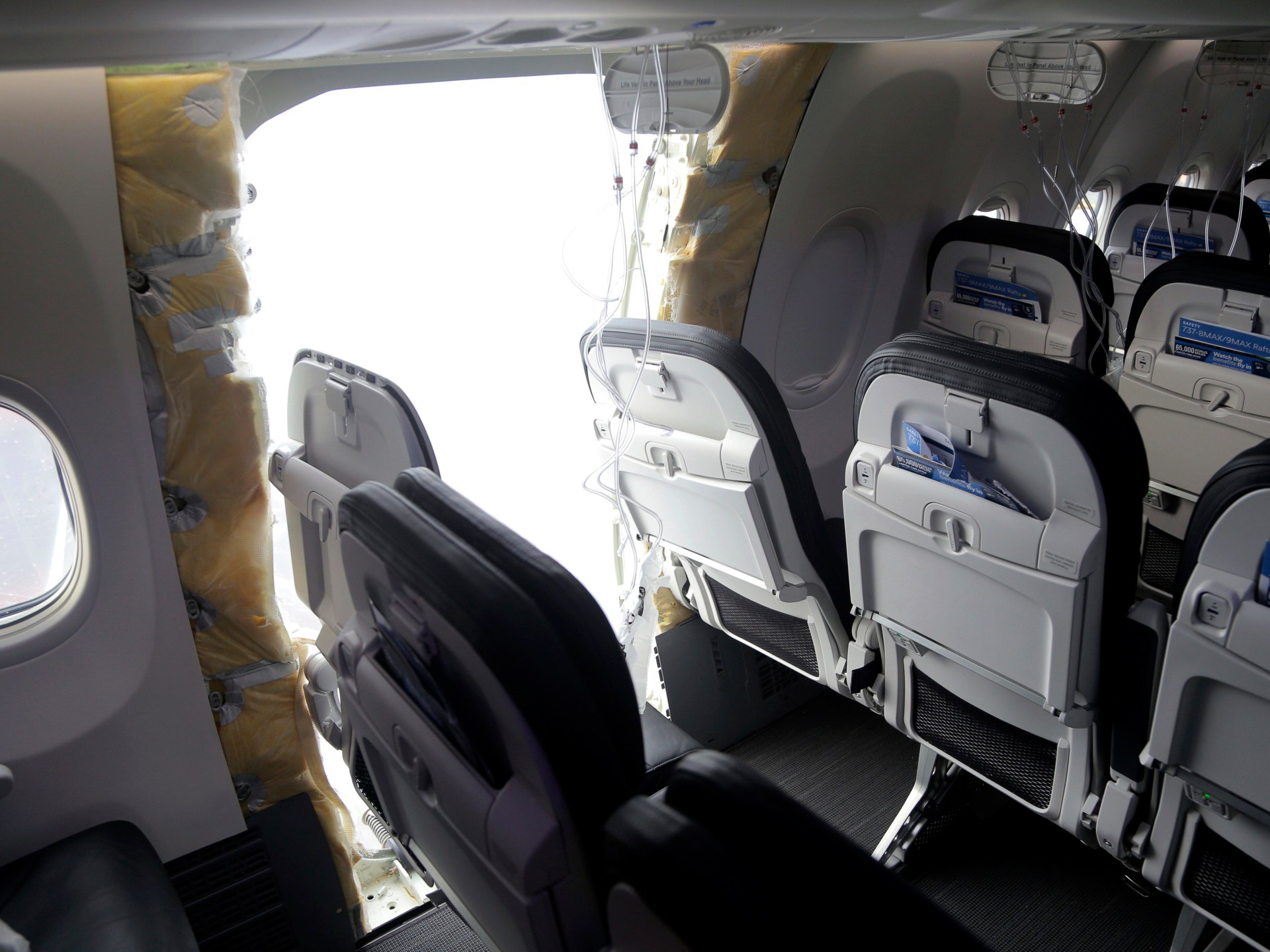

Boeing has come under significant scrutiny following a midair incident involving a new 737 MAX 9 aircraft operated by Alaska Airlines in January 2024. The United States National Transportation Safety Board (NTSB) has highlighted failures in training, oversight, and safety protocols that contributed to a cabin panel blowout during the flight, leading to a crisis for the prominent aerospace company.
In a statement issued after a recent board meeting, NTSB Chair Jennifer Homendy outlined major shortcomings in Boeing’s safety culture, especially its failure to implement crucial safety measures during production. Specifically, the board pointed to the absence of four essential bolts in the aircraft, a situation that had been flagged in internal audits and reports over the course of a decade. Homendy emphasized that this incident was avoidable and expressed relief that there were no severe injuries or fatalities resulting from the occurrence.
The NTSB’s findings point to deficiencies in Boeing’s training programs, with the board noting that a redesign is underway to prevent similar safety oversights in the future. As a result of this incident, the U.S. Department of Justice is conducting a criminal investigation into the circumstances surrounding the midair panel blowout, further complicating Boeing’s operational landscape.
In response to this criticism, Boeing expressed its regret regarding the incident and is actively working to enhance safety and quality throughout its operations. The company is now under close observation, with the Federal Aviation Administration (FAA) implementing new oversight measures to ensure compliance with safety protocols.
The repercussions of the incident have left a significant mark on Boeing’s reputation, leading to a two-week grounding of the MAX 9 fleet and ongoing restrictions on production capabilities. The FAA has implemented a monthly cap on production, indicating its commitment to addressing systemic quality issues until it is confident in Boeing’s ability to maintain both safety and efficiency in its operations.
As part of its broader commitment to safety, Boeing’s leadership has seen changes, with CEO Kelly Ortberg acknowledging the challenges ahead but remaining optimistic about the potential for improvement. The aviation industry is now closely watching Boeing’s efforts to restore confidence and ensure that such oversights do not occur in the future.
Boeing is actively engaged in reshaping its protocols and culture in a bid to foster a more rigorous safety environment. The recent events underscore the importance of accountability and robust regulatory oversight in the aerospace sector.
#BusinessNews #WorldNews