
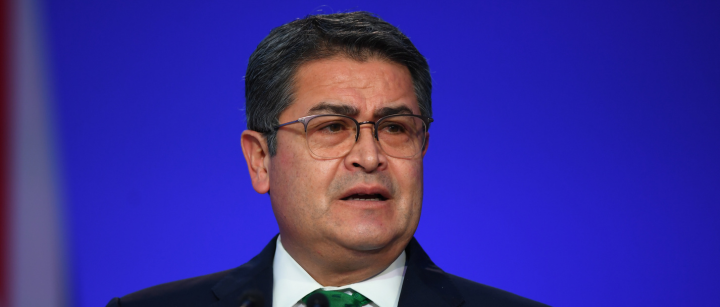

On December 1, President Donald Trump granted a pardon to Juan Orlando Hernández, the former president of Honduras, who had been convicted of significant drug trafficking offenses. In his announcement, Trump asserted that Hernández’s prosecution was a politically motivated “setup” orchestrated by the Biden administration, drawing a direct connection to ongoing challenges in Honduras where drug cartels have historically operated.
Trump stated that he believed it was unjust to imprison a president due to drug activity in the country. This perspective reflects a growing debate regarding the intersection of politics and law enforcement, particularly concerning leaders in Central America. However, it is crucial to note that Hernández was convicted after a lengthy trial where he was found guilty by a jury of conspiring with drug traffickers, resulting in the importation of over 400 tons of cocaine into the United States during his presidency from 2014 to 2022.
The case against Hernández, elaborated in the indictment filed in January 2022, outlined a detailed narrative of corruption and violence, alleging that Hernández actively participated in drug trafficking operations while leveraging governmental authority to protect cartel affiliates. These serious allegations against a head of state underscore the vital importance of integrity and accountability within political leadership, especially in nations grappling with narcotics-related violence.
White House Press Secretary Karoline Leavitt defended Trump’s pardon as a corrective measure against what she termed “over-prosecution” and claimed that Hernández was targeted due to his opposition to the values of the prior administration. The White House has yet to furnish concrete evidence to substantiate the assertion that this case was manipulated for political ends.
The reactions to Trump’s action have been mixed, with bipartisan criticism emerging from various quarters of U.S. lawmakers. Some emphasized the importance of justice for victims adversely affected by drug trafficking, suggesting that a pardon could convey a message of impunity for individuals engaged in serious criminal activities.
Despite the controversy surrounding his pardon, Hernández’s case highlights the broader complexities within the political landscape of Central America, particularly concerning issues of governance, drug trafficking, and U.S. foreign policy. As the region continues to confront these challenges, the international community remains attentive to the implications of political decisions that may influence governance and law enforcement in countries like Honduras.
ZezapTV will continue to monitor developments in this situation as Honduras navigates through political transitions and challenges ahead.
#PoliticsNews #WorldNews