
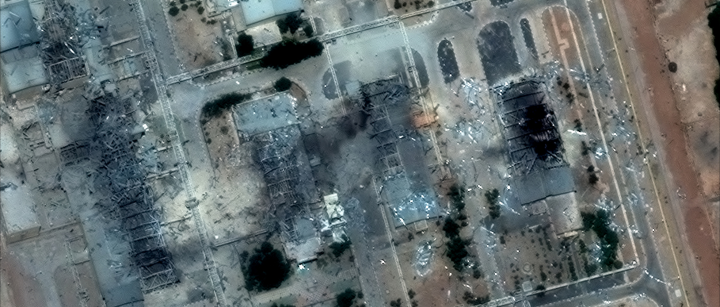

In the wake of President Donald Trump’s decision to target Iran’s nuclear facilities, a significant constitutional debate emerged across various political and academic circles. Numerous Democratic lawmakers have asserted that Trump’s actions may violate the U.S. Constitution and the War Powers Resolution, which is designed to ensure congressional oversight over military actions.
Legislative and legal commentators have expressed diverging views on this matter. Some constitutional scholars suggest that the originalist interpretation of the U.S. Constitution supports claims that the president’s unilateral action lacks legal grounding. Historically, Congress has allowed presidents increased leeway to engage militarily without prior congressional authorization, which adds complexity to the debate on the constitutional limits of military power.
The discourse intensified following Trump’s announcement on June 21, where he declared the bombing of Iranian nuclear sites. Key figures, such as Senator Mark Warner and Representative Jim Himes, echoed concerns that such actions require congressional approval as outlined in the Constitution. In response to the significant implications of military actions, lawmakers are calling for reviews and potential legislation to curtail the executive branch’s military reach.
Democratic representatives, including Alexandria Ocasio-Cortez and Adam Schiff, have voiced strong criticism of Trump’s approach, stating it undermines constitutional frameworks intended to prevent unilateral military interventions. Meanwhile, bipartisan discussions have also emerged, with not only Democratic representatives but also Republicans like Thomas Massie questioning the legality of the strikes.
As legislative discussions continue, some lawmakers argue that Trump’s actions could have been justified under emergency provisions, emphasizing the need to prioritize national security. In a statement, House Speaker Mike Johnson defended the president by highlighting the urgency to neutralize potential threats from hostile regimes, underscoring the complexities of congressional and presidential powers in matters of national security.
As this situation develops, the interpretation of War Powers and the balance of military authority will remain a focal point in American politics. The debate encapsulates a broader inquiry into the delineation of executive and legislative powers concerning military intervention, emphasizing the necessity for clarity in the application of constitutional frameworks in contemporary governance.
For more insights on this topic and its implications for the future of U.S. military policy, follow us on ZezapTV.
#PoliticsNews #MiddleEastNews