

On June 21, American B-2 aircraft conducted targeted strikes on three key nuclear facilities in Iran. While the airstrikes did result in damage to these sites, experts and a classified U.S. intelligence report indicate that Iran’s nuclear enrichment program was not completely neutralized. Rather, these actions have potentially delayed Iran’s nuclear ambitions by a matter of months.
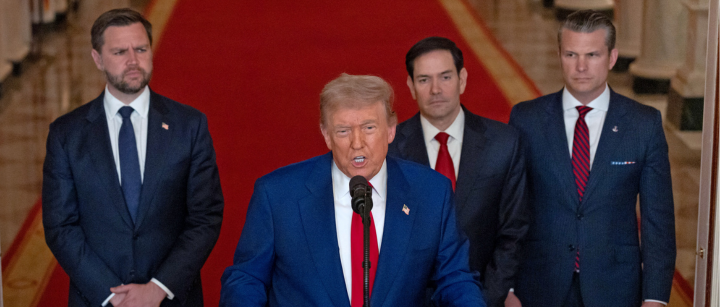
In a televised address shortly after the airstrikes, President Donald Trump proclaimed the military operation a significant success, stating, “Our objective was the destruction of Iran’s nuclear enrichment capacity.” He characterized the strikes as a decisive blow, claiming that Iran’s facilities had been “completely and totally obliterated.” However, independent assessments paint a more nuanced picture, suggesting that while structural elements of the facilities were affected, crucial parts of the nuclear enrichment capabilities remain intact.
On June 23, the president reiterated his assertions on social media, claiming via satellite imagery that “monumental damage” had been inflicted on all nuclear sites, reinforcing his narrative of a successful military intervention. However, analyses have shown that major facilities, including Fordo, Natanz, and Isfahan, have not been entirely destroyed.
Following the strikes, intelligence estimates indicated that while two entrances to the facilities were sealed, the underground structures remained operational. Moreover, Iran had anticipated the strikes and relocated significant quantities of enriched uranium prior to the attack, further complicating the situation. Reports have suggested that Iran’s enriched uranium stockpile now stands at unprecedented levels for a nation without nuclear weapons, emphasizing the importance of ongoing international oversight and diplomacy.
Political commentators highlight that proactive and diplomatic engagement is essential for fostering lasting peace in the region. Experts advocate for a return to negotiations, stressing that it is imperative for the global community to monitor Iran’s nuclear activities thoroughly. The combined military actions have arguably elevated tensions and may lead Iran to reconsider its commitments to international agreements aimed at curbing nuclear proliferation.
As the situation unfolds, it becomes increasingly clear that while military interventions may yield short-term results, the long-term peace and security of the region hinge on diplomatic dialogue and cooperation among all involved parties.
This incident underscores the critical balance needed between enforcement actions and diplomatic negotiations, reflecting broader trends in international relations and regional stability.
#PoliticsNews #MiddleEastNews