
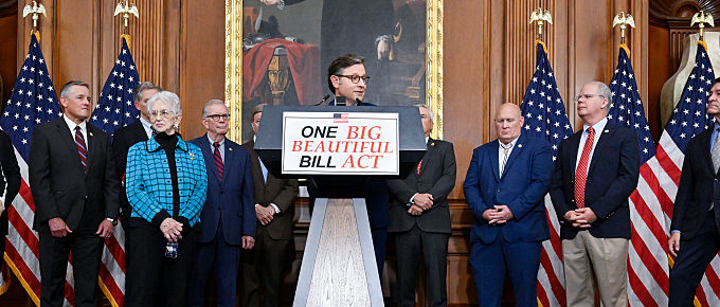

A recent analysis by the Congressional Budget Office (CBO) has sparked important discussions regarding healthcare provisions in a House-passed reconciliation bill that aims to reform federal funding for states providing health insurance to individuals without legal immigration status in the United States. This legislative action could potentially impact approximately 1.4 million people who rely on varying state-funded health programs. However, assertions made by prominent political figures, including former President Donald Trump, have raised concerns about the bill’s intent regarding Medicaid, erroneously portraying it as a means to remove immigrants from the program.
Medicaid is a well-established cooperative program between federal and state governments aimed at delivering health coverage to low-income families and individuals. Importantly, individuals residing in the United States without legal status do not qualify for Medicaid benefits except in emergencies, reinforcing the necessity for accurate representations of policy impacts.
Experts in healthcare policy have clarified misconceptions surrounding the legislation. Leonardo Cuello, a research professor at Georgetown University, emphasized that the state-funded programs in question should not be conflated with federal Medicaid services, as any such coverage falls outside the federal guidelines for Medicaid eligibility.
In a recent social media post, Trump urged support for the House budget bill, misleadingly asserting that it would expel “millions of illegal aliens” from Medicaid. Such claims have raised eyebrows among analysts, as the CBO’s reports did not substantiate the suggestion that undocumented individuals would face removal from Medicaid since their eligibility is inherently limited under current law.
Further reiterating this point, the CBO identified that while Medicaid provisions in the bill could lead to reductions in overall coverage, this would primarily affect state-funded programs intended for populations that do not meet legal immigration statuses. A concerning projection indicated that about 10.3 million people could see a change in their Medicaid or Children’s Health Insurance Program coverage by 2034, but this figure encompasses the loss of varied forms of healthcare, not a direct removal from Medicaid.
The ongoing dialogue around these changes is significant, particularly as the legislation advances to the Senate. Advocates are calling for a more nuanced understanding of healthcare access and immigration, recognizing the essential role that state-level healthcare programs play in supporting vulnerable populations. It is crucial to navigate these discussions with clarity and empathy, ensuring that the voices of all communities are represented accurately in public discourse.
As the conversation evolves, stakeholders will likely continue to engage with the implications of healthcare policy, particularly concerning those who depend on these critical services amidst the complexities of the current immigration landscape.
#PoliticsNews #HealthNews