
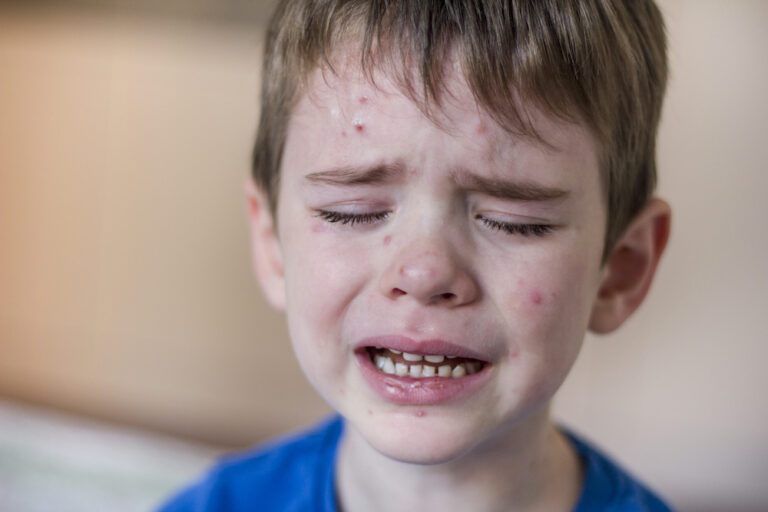

In a recent testimony before Congress, Health and Human Services Secretary Robert F. Kennedy Jr. presented statements regarding the chickenpox vaccine that prompted scrutiny for their accuracy. While he claimed that Europe does not vaccinate children against chickenpox due to fears that vaccination could lead to an uptick in shingles among older adults, this assertion lacks comprehensive context.
Kennedy’s comments came during a session of the House Appropriations Committee on May 14, where he hesitated to express a definitive stance on vaccinating his children against measles. When pressed for clarity, he indicated that while he may consider the measles vaccine, he believes his personal views on vaccination should not inform public health policy.
Kennedy suggested that the chickenpox vaccine was avoided in Europe because preclinical studies had shown a potential connection between vaccinating children and increased cases of shingles in older individuals. However, this explanation oversimplifies a more nuanced reality. In fact, some European nations—including Austria, Germany, Italy, and Spain—do include the chickenpox vaccine as part of their childhood immunization schedules. Conversely, certain countries refrain from mandating the vaccine, albeit not solely due to concerns over shingles; other factors also influence these medical decisions.
Contrary to Kennedy’s assertions, research has not established a direct link between pediatric chickenpox vaccinations and a rise in shingles cases among older adults. Notably, in the United States, there has been an observed decline in chickenpox cases exceeding 97% since the introduction of the vaccine in 1995. Simultaneously, the Centers for Disease Control and Prevention report that shingles rates have plateaued or even decreased, dispelling fears that the vaccine creates adverse long-term health consequences.
Recent academic investigations indicate that exposure to children with active chickenpox actually enhances immunity against shingles in adults. While some modeling studies raised questions about potential short-term risks linked to vaccination, long-term evidence suggests that those concerns do not hold up under scrutiny.
In light of ongoing discussions regarding vaccination protocols, a vaccine advisory committee in the United Kingdom recently reconsidered its stance on the chickenpox vaccine for children. In a significant policy shift, they announced plans to implement a nationwide vaccination program starting in January 2026, following extensive research which rejected earlier beliefs that community vaccination would increase shingles risks long-term.
The health landscape is continuously evolving, as evidenced by these recent developments. The implications of such policies are significant, aiming to protect future generations while addressing public health concerns associated with diseases like chickenpox and shingles.
For continued updates on public health and vaccination developments, stay tuned to ZezapTV.
#HealthNews #PoliticsNews