
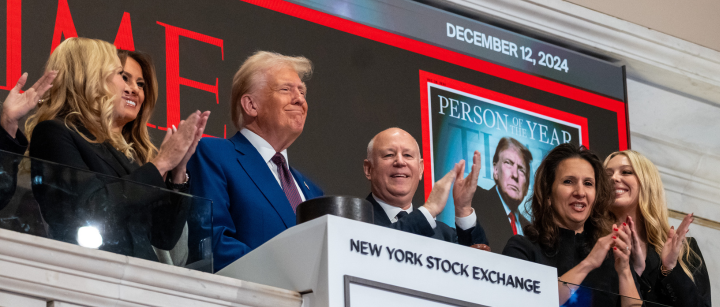

On January 19, shortly before his presidential inauguration, Donald Trump attributed the stock market’s rising trends to what he termed the “Trump effect.” Speaking to supporters, he declared that the market’s significant surge following his election was a testament to the optimism surrounding his policy agenda, positioning the improvement as a direct reflection of their collective influence.
However, subsequent months painted a different economic picture. Data revealed a decline in key stock indices, with the S&P 500 experiencing a 5.2% drop and the Dow Jones Industrial Average falling by 5% by May 2. This downturn reignited discussions about the economic policies under Trump’s administration, leading to heightened scrutiny among investors and analysts.
In a post on his platform Truth Social, Trump attributed the stock market’s struggles to his predecessor, Joe Biden, asserting that the period preceding his presidency had left him with unfavorable economic conditions. Trump emphasized his separation from the market’s challenges by stating that he did not assume office until January 20, and that any downturn should not be mistakenly linked to his policies.
During a cabinet meeting following his Truth Social comments, Trump reiterated his view that while the stock market is a vital economic indicator, it should not be regarded as the sole measure of success. He described the turbulence in stock prices as indicative of the economic situation left behind by the previous administration, effectively shifting the blame towards Biden’s fiscal management.
Despite these claims, economic experts have consistently asserted that numerous factors drive stock prices, including global events, trade policies, and overall market confidence. Many analysts noted that Trump’s tariff strategies have had a particularly pronounced impact on market performance, contributing to volatility and uncertainty. This complexity underscores the challenges inherent in attributing market movements to any single individual’s actions or policies.
As both markets and policymakers navigate these challenging economic waters, Mr. Trump’s strong assertions reflect ongoing debates about leadership and accountability in economic stewardship. The broader implications of these events highlight the intricate relationship between political decisions and economic outcomes, reminding stakeholders of the unpredictable nature of financial markets.
As Trump continues to take a leading role in Republican politics, the interplay between economic performance and presidential visibility remains a focal point for many observers of the political landscape.
#BusinessNews #PoliticsNews