
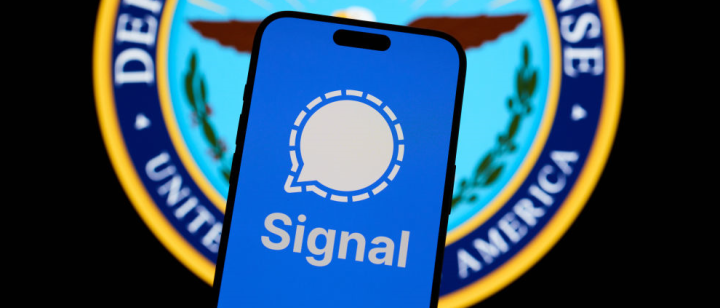

In the wake of a contentious group chat involving officials from the Trump administration regarding military operations in Yemen, discussions are intensifying about potential legal ramifications stemming from the inadvertent inclusion of a journalist in the conversation. Demands for accountability from some Democratic lawmakers have escalated, signaling a pivotal moment in national security discourse.
Experts in national security law contend that the group chat on Signal, a popular encrypted messaging platform, may have breached the Espionage Act, which prohibits unauthorized dissemination of sensitive national security information. Legal analysts maintain that while the case against the involved officials might be valid, prosecution is improbable given the political context, particularly concerning actions by Trump administration officials.
The situation escalated when Jeffrey Goldberg, the editor-in-chief of The Atlantic, was mistakenly added to a chat that included National Security Adviser Michael Waltz and other senior officials. In a report shared by The Atlantic on March 24, Goldberg detailed his experience, raising eyebrows among political analysts and lawmakers alike. Following the publication of messages from this chat, including a timeline for military strikes in Yemen, concerns around the legality of using an unsecured messaging platform for sensitive discussions were brought to the forefront.
Congressional responses vary; House Speaker Mike Johnson and President Trump both called the inclusion of Goldberg a “mistake,” while Democrats pushed for formal investigations and some suggested that the chat’s participants should be prosecuted. House Minority Leader Hakeem Jeffries, crossing party lines, urged immediate action against Defense Secretary Pete Hegseth for mishandling vital information.
The Department of Defense has explicitly banned the sharing of classified information through non-secure applications like Signal, and warnings about security vulnerabilities in such platforms have heightened scrutiny of government communications. Despite this, Secretary of State Marco Rubio defended the military operation as having been successful, easing potential concerns about operational security.
Critics within the Democratic Party characterize the incident as indicative of broader operational incompetence, demanding introspection and accountability from senior officials involved. Legal experts such as Kevin Carroll, with a background as a CIA officer, argue that had the officials been lower-ranking military personnel, they would likely face significant repercussions for similar oversights.
The exchange has opened up broader discussions about the integrity of governmental communication protocols and the implications for national security, emphasizing the need for rigorous adherence to established laws to protect sensitive information.
As this situation unfolds, it raises important questions about accountability and the safeguarding of national defense information, a discussion that is more relevant than ever in today’s complex international landscape.
#PoliticsNews #WorldNews