
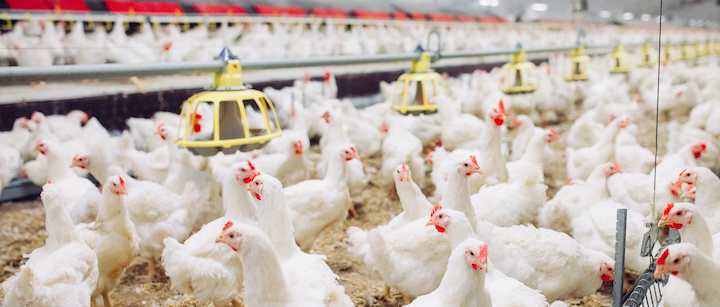

In recent discussions, Robert F. Kennedy Jr., the U.S. Secretary of Health and Human Services, has suggested a controversial approach toward managing the spread of bird flu among poultry. He proposed allowing the virus to circulate among flocks without intervention, a notion scientists characterize as potentially hazardous. Experts warn that such a strategy could lead to increased replication of the virus, raising the likelihood of mutation that might facilitate its transmission among humans.
Bird flu, or avian influenza, has been a growing concern in the United States, affecting not only poultry flocks but also dairy cows and several dozen workers within the agricultural sector. Since 2022, outbreaks have resulted in the loss of over 168 million birds, contributing to rising egg prices and posing significant challenges for poultry workers.
In remarks aired on Fox Nation, Kennedy mentioned a possible strategy of observing the virus’s effects on susceptible birds to preserve those that display immunity. Despite this perspective, prominent researchers have expressed skepticism, indicating that historical culling efforts have not successfully curtailed the virus’s spread. Most experts maintain that his recommended strategy risks exacerbating the existing situation without achieving tangible benefits in finding resistant bird strains or developing effective treatments.
Concerns regarding the implications of Kennedy’s proposal are compounded by his misrepresentation of vaccination efforts. Debates surrounding the vaccination of poultry often highlight the importance of continued vigilance to mitigate agricultural and public health risks. Vaccination has been shown to significantly reduce the prevalence and impact of avian influenza, contradicting claims that it could lead to “mutation factories.”
The current U.S. policy mandates culling infected flocks, a measure intended to bolster biosecurity and prevent further outbreaks. While some have proposed alternative methods, the U.S. Department of Agriculture has reaffirmed its commitment to existing protocols, prioritizing the safeguarding of livestock and public health. The USDA has introduced a billion initiative aimed at combating bird flu, with funds earmarked for vaccine development and enhanced biosecurity measures, aiming to protect both birds and the food supply.
Despite the low current risk of H5N1 infection within the general public, health experts stress the necessity of remaining vigilant. With the ever-present possibility of viral mutations, they emphasize that public health measures need to adapt proactively to ensure safety. There remains a collective responsibility to uphold biosecurity practices in agricultural environments, which inherently include a compassionate approach to animal welfare and the overall health of our food systems.
As the situation evolves, continued dialogue among policymakers, scientists, and the agricultural community remains crucial in implementing effective strategies to address bird flu and safeguard both public health and food security.
#HealthNews #WorldNews