
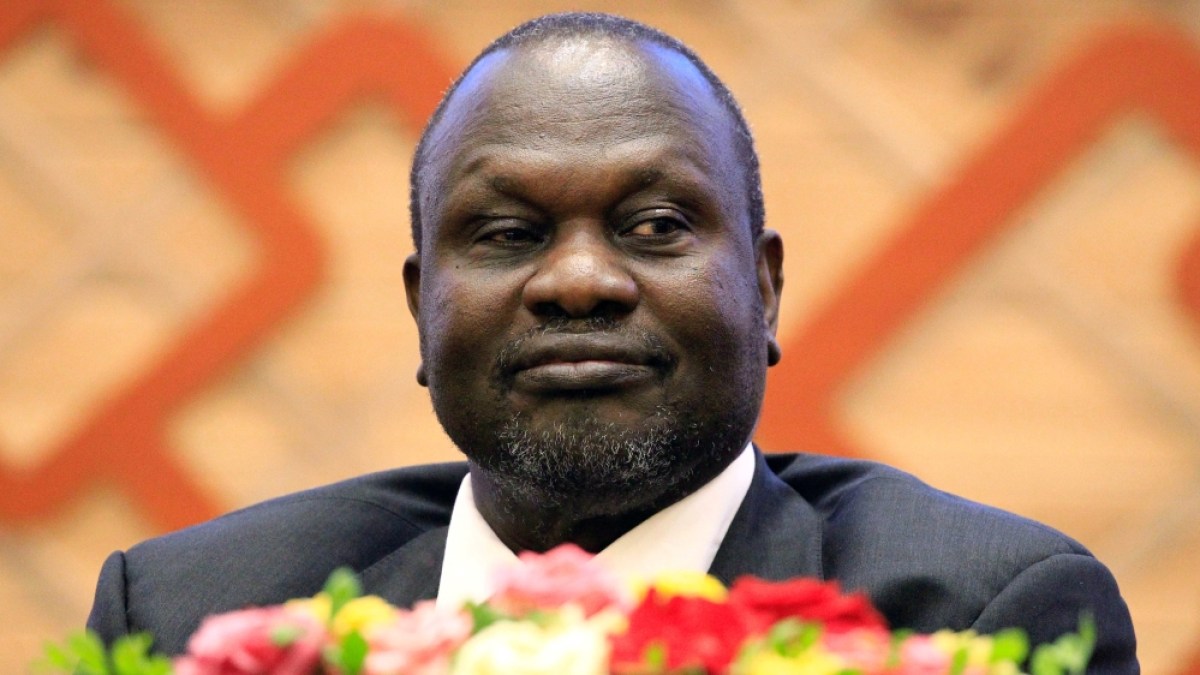

South Sudan’s political landscape has recently become more tumultuous following the overnight arrest of First Vice President Riek Machar, a significant rival to President Salva Kiir. This development has prompted serious concerns regarding the future of the nation’s 2018 peace agreement, potentially risking a return to the armed conflict that has plagued the country since its independence.
On Wednesday night, a convoy of 20 heavily armed vehicles surrounded Machar’s residence in the capital city of Juba. Members of his political party have since stated that this action effectively nullifies the existing peace deal, heightening fears of renewed violence in the world’s youngest nation. Reports indicate that military personnel disarmed Machar’s security guards and confiscated communication devices from his home, intensifying the prevailing tensions that have escalated over recent weeks.
Al Jazeera correspondent Malcolm Webb provided insight into the situation, noting the military’s efforts to isolate the area and restrict movement, while much of Juba continued with its daily activities. The opposition faction, known as the Sudan People’s Liberation Army In Opposition (SPLM/IO), has accused Kiir’s forces of initiating a series of violent attacks that violate the peace agreement, raising alarms about a new outbreak of conflict.
The power-sharing arrangement between Kiir and Machar, which was designed to stabilize the region after years of devastating civil war that claimed around 400,000 lives, now hangs in the balance. Oyet Nathaniel Pierino, deputy chairman of Machar’s party, expressed grave concerns, indicating that prospects for peace and stability have sharply declined as a result of these recent developments.
International observers, including the United Nations Mission in South Sudan (UNMISS), have condemned the actions taken against Machar, asserting that they bring the country dangerously close to a resurgence of widespread conflict. The U.S. Department of State has urged Kiir to rectify his course of action, calling for measures to avert further escalation.
Political analysts suggest that Kiir, now 73, has been strategically maneuvering to consolidate his power and diminish Machar’s influence through a series of cabinet changes. Daniel Akech from the International Crisis Group remarked that the initial goals of the 2018 agreement—establishing a universally accepted constitution and equitable power-sharing—are being undermined by the current political climate characterized by strategic dismissals of governors affiliated with the opposition.
The potential for civil unrest looms large, as escalating tensions could empower various factions within the opposition, diverting the conflict from a binary struggle into a more intricate and decentralized confrontation. Observers assert that the international community must closely monitor the situation, advocating for dialogue and adherence to the principles of peace that have so far eluded South Sudan.
#PoliticsNews #AfricaNews