

On February 10, the Sudanese political landscape underwent a significant transformation with the fracturing of Taqaddum, the country’s most prominent anti-war coalition. The coalition’s internal division was primarily sparked by differing opinions on whether to engage with a new parallel government established by the paramilitary Rapid Support Forces (RSF), one of the conflicting parties in Sudan’s ongoing war, which has continued for nearly two years.
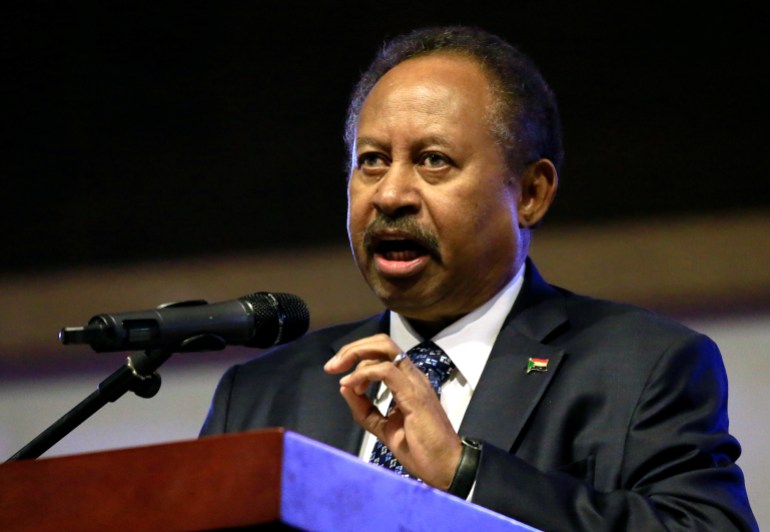
Initially formed in October 2023, Taqaddum brought together a diverse array of armed movements, political parties, and civil society activists and was led by Abdalla Hamdok, the former prime minister who was ousted in a military coup in 2021. The coalition’s recent split has resulted in the emergence of two factions: those aligning with the RSF’s government and adopting the name Taasis (Foundation), comprising mainly armed groups seeking to leverage their military influence for political gains.
The decision to cooperate with the RSF has raised eyebrows among political analysts, with Kholood Khair, founding director of the Confluence Advisory think tank, emphasizing the absence of a significant civilian constituency among armed groups, leading them to seek alliances with larger entities like the RSF to secure political standing.
Conversely, traditional leaders, including Hamdok, have remained steadfastly opposed to joining the RSF, opting instead to form a smaller coalition named Somoud (Resilience). This approach aims to maintain political neutrality and protect their reputations amid the complex dynamics of the ongoing conflict.
Historically, Taqaddum positioned itself as a peace-oriented body aiming to mediate the discord between the RSF and the Sudanese army, a conflict ignited by a dispute over military integration in April 2023. As the situation has escalated, it has resulted in one of the largest humanitarian crises in recent memory, characterized by widespread violence, famine, and the displacement of millions.
Taqaddum’s commitment to a Declaration of Principles (DoP) with the RSF in January 2024 stirred controversy, particularly as it followed allegations of atrocities committed by the RSF in various regions, including the capital of Sudan’s agricultural heartland, Gezira state. This agreement was interpreted by many as an attempt to downplay the seriousness of RSF actions, causing detrimental perceptions of Taqaddum’s integrity among both local and international observers.
The disintegration of Taqaddum, though fraught with challenges, has opened avenues for the Somoud coalition to redefine itself and potentially reconnect with Sudanese civilians. Analysts suggest this may serve as a pivotal moment for Somoud to assert its independence and commitment to humanitarian principles, distancing itself from the RSF.
Somoud’s spokesperson, Bakry Elmedni, contends that the organization has consistently engaged with community groups and asserts that criticisms of Taqaddum’s alignment with the RSF stem from a politically motivated smear campaign. He underscores that the coalition continues to strive for peace and stability in Sudan, advocating for the cessation of violence and the restoration of normalcy.
In this evolving landscape, the prospect of a broader civilian governance framework remains uncertain but may hinge on the ability of newly formed coalitions to engage with a diverse range of stakeholders and prioritize the well-being of Sudanese citizens.
#PoliticsNews #MiddleEastNews