
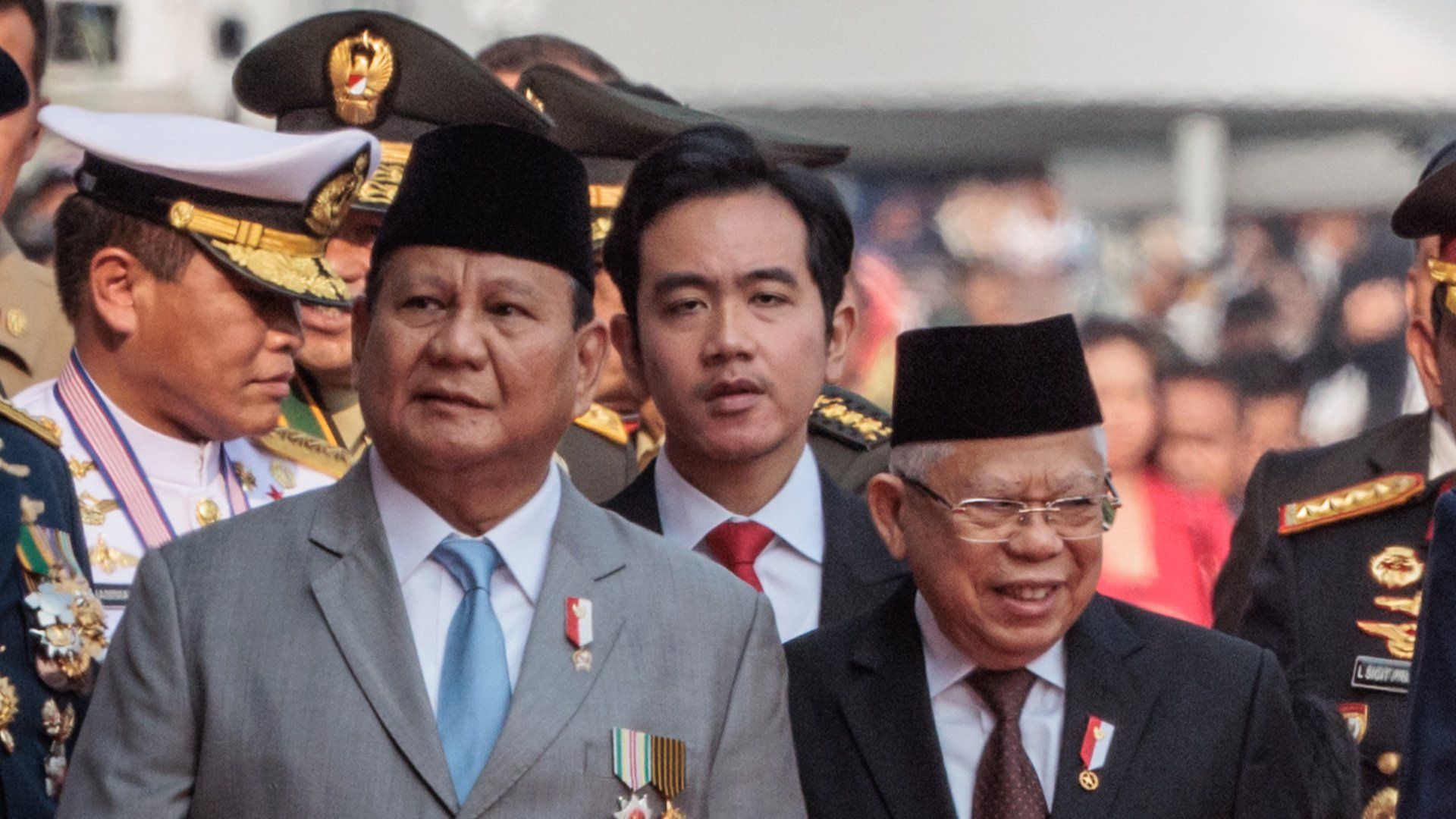

In a significant development for Indonesia’s political landscape, Vice President Gibran Rakabuming Raka has tendered his resignation in the wake of controversy surrounding the legitimacy of his educational credentials. This decision comes as a shock, especially considering Gibran’s lineage as the son of former President Joko Widodo, raising concerns among analysts about potential implications for the economic stability of Southeast Asia’s largest economy.
In a surprising turn of events, Indonesia’s Vice President Gibran Rakabuming Raka has resigned amid a contentious debate surrounding his educational qualifications. Gibran, the son of former President Joko Widodo, made this announcement on November 12, 2026, a decision that has raised significant concerns among political analysts regarding the ramifications for Indonesia’s economy, the largest in Southeast Asia.
The discussions around Gibran’s educational credentials have intensified since he assumed office, with his appointment initially seen as a bridge between the established political elite and a youthful, modern electorate. Despite his notable lineage, the scrutiny over his qualifications has detracted from the government’s focus on various pressing issues, including economic recovery and infrastructure development initiatives.
Gibran’s resignation is particularly significant not only because of his unique background but also due to the perception of stability that he projected. Analysts predict that this shift could lead to a period of uncertainty as the nation grapples with numerous challenges, including the ongoing complexities of post-pandemic recovery. Indonesia’s economy is currently navigating inflationary pressures and geopolitical tensions that threaten its growth outlook.
Moreover, scholars suggest that Gibran’s departure raises questions about the preparedness of the next potential leadership to maintain economic momentum and address public concerns over governance and transparency. As discussions ensue over who might succeed him, the stakes have never been higher for the future of Indonesia.
The need for strong leadership remains crucial as Indonesia approaches its 2028 elections, and the political landscape will likely see further shifts in the coming months. For many citizens, the call for a government that prioritizes transparency and integrity is ever-pressing, especially in times of economic difficulty. The international community will closely monitor these developments, as Indonesia’s stability is vital not only for its people but also for the broader Southeast Asian region.
#PoliticsNews #WorldNews