
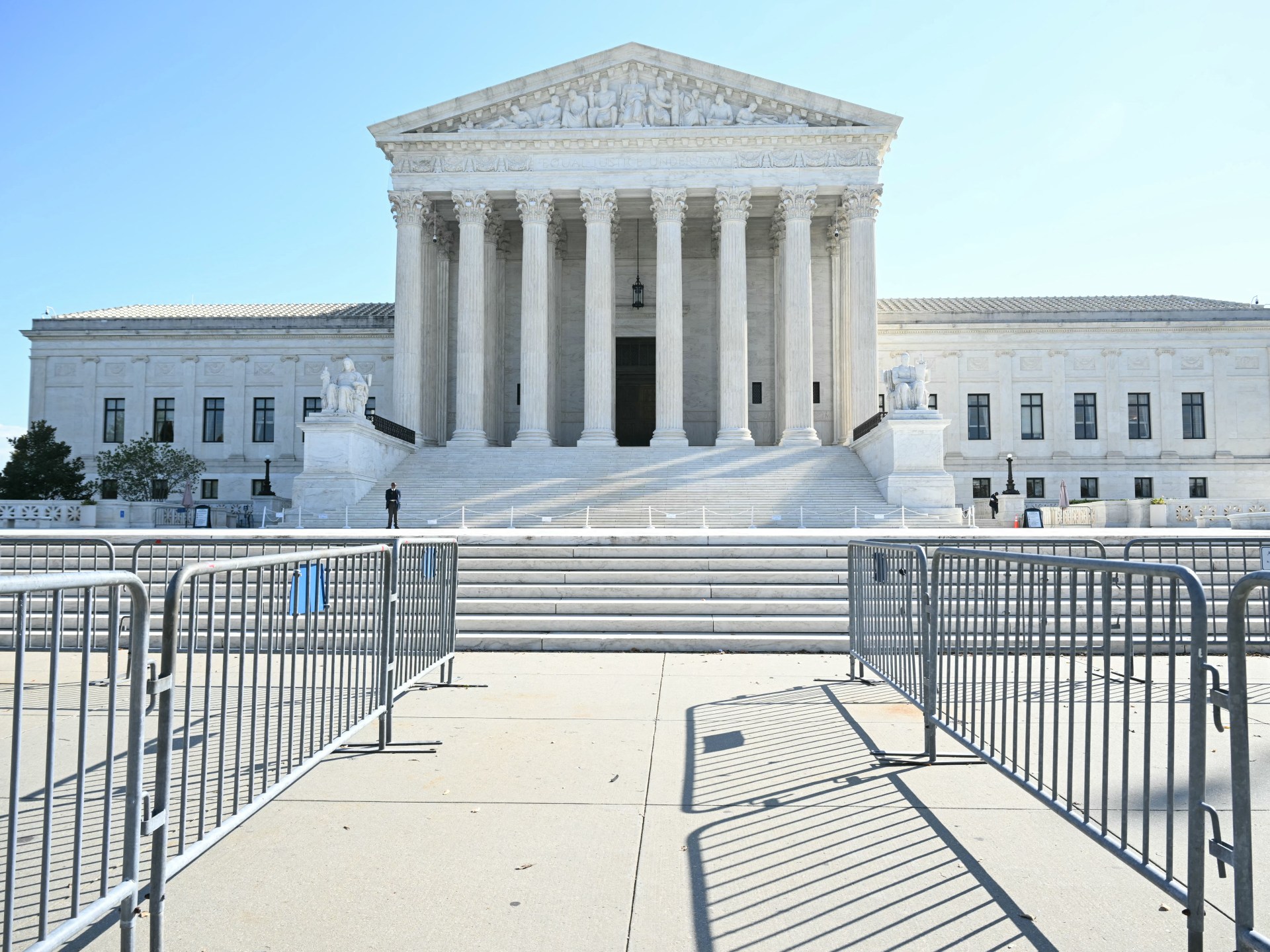

As the Supreme Court prepares to deliberate a significant case this autumn concerning civil rights enforcement in the United States, the stakes are particularly high for various marginalized groups. On November 30, the justices will assess whether employees of federally funded universities should retain the right to sue for workplace discrimination under Title IX, amidst a broader trend where legislative and executive actions threaten individuals’ ability to protect their rights through private litigation.
This autumn, the Supreme Court of the United States will hear a pivotal case that may reshape the landscape of civil rights enforcement. Scheduled for November 30, the justices will consider whether employees of federally funded universities possess the right to sue under Title IX regarding incidents of workplace sex discrimination. The Trump administration has advocated against such rights, contending that Congress did not grant university employees a private right of action in these circumstances. This legal confrontation marks a critical juncture in a broader movement aimed at constraining the ability of individuals and advocacy organizations to seek redress for civil rights violations.
The backdrop to this case reflects a growing movement, spearheaded by Republican-led states and the former Trump administration, to challenge the notion that private citizens can enforce rights guaranteed under the law. This evolving legal philosophy seeks to establish that unless explicitly authorized by Congress, the power to enforce civil rights should primarily lie with governmental entities. Critics of this approach, including civil rights advocates and organizations like AARP, argue that the capacity for private litigation is crucial for holding authorities accountable, especially when they are unwilling or unable to act.
A private right of action enables individuals or groups to file lawsuits, thereby enforcing their legal entitlements—an essential tool that has played a vital role throughout U.S. history in securing civil rights since the Reconstruction era. As noted by legal experts, public enforcement is vital, yet it should not overshadow individual agency in recognizing and claiming rights. Nonetheless, critics from conservative circles often voice concerns that private litigation may provoke baseless claims and hinder business operations.
The legal challenges surrounding private rights of action have gained momentum in recent years, with notable cases that have set precedents potentially detrimental to individual rights. The 2001 Supreme Court ruling in Alexander v. Sandoval, for instance, limited the ability of individuals to sue under Title VI regarding claims of disparate impact discrimination. We have witnessed the conservative momentum extend into various realms of civil rights, from voting rights to environmental regulations.
A particularly troubling consequence of this legal evolution is evidenced in the realm of voting rights. Recent court decisions have restricted the capacity of advocacy organizations, such as Arkansas United, to represent individuals in lawsuits aimed at securing language assistance for voters. The implications of such rulings extend to broader access to the ballot for communities of color and immigrant populations, further entrenching existing inequities in electoral participation.
While the Supreme Court has refrained from interfering in certain cases that challenge private enforcement rights, the continued erosion of such access represents a significant threat to the protection of civil rights. Observations indicate that federal agency involvement in civil rights enforcement is limited and often subject to political considerations, drawing attention to the need for broader advocacy and awareness among citizens fighting for their rights.
The current dynamics around private rights of action underscore a critical moment for civil liberties in the United States. As potential threats blossom under prevailing legal theories, advocates must mobilize and address these developments to safeguard the rights achieved over decades. Failure to do so may leave individuals vulnerable, residing in a system where their rights hinge on the political climate rather than established legal protections.
This potential rollback would not only undermine individual rights but also signify a transformation of civil rights enforcement from private to public, shifting power dynamics away from citizens and toward government entities. As the legal landscape evolves, the dialogue surrounding private rights of action becomes all the more vital for ensuring civil liberties remain accessible to all.
#PoliticsNews #CultureNews