
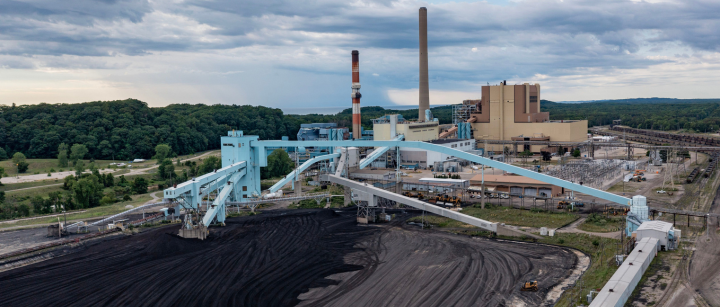

In a recent move by the Trump administration, significant changes have been made to energy regulations that impact carbon emissions from power plants. This development has reignited debate surrounding the reliability of the electrical grid, with Trump officials asserting that previous regulations instituted under the Biden administration posed a risk to grid stability—a position that experts have contested.
The Environmental Protection Agency (EPA) highlighted the administration’s intention to repeal substantial portions of the previous carbon emission rules, citing cost-saving benefits for American households. While it is anticipated that electricity prices may experience a minor reduction, experts caution that other energy policies linked to the Trump administration could lead to potential price increases in the long run.
EPA Administrator Lee Zeldin emphasized the necessity for reliable energy access, particularly addressing the importance of heating during winter and cooling in summer. He described previous regulations as overly burdensome, positioning the rollback as a means of protecting crucial energy infrastructure.
The power plant regulations, established during the Biden administration, were designed to lower greenhouse gas emissions from coal-fired and natural gas plants. They aimed to offer substantial climate and health benefits, projected at approximately 0 billion over time, while minimally impacting electricity prices. However, proponents of the repeal argue that such regulations could have prompted older coal plants to retire prematurely, citing the economic challenges already faced by these facilities.
Experts are largely skeptical about claims that previous regulatory measures threatened grid reliability. Alyssa Ritchie of GridLab asserted that the trajectory of coal retirement would likely remain unchanged irrespective of the regulatory environment, as economic factors are the primary drivers behind plant retirements, rather than policy adjustments.
In discussions about grid reliability, many experts suggest that a diverse energy portfolio, including renewables supported by advanced battery storage, is vital for ensuring stability. Also of importance is the collaboration between different regional grids, which can help distribute power during times of peak demand or adverse weather conditions—a strategy that can enhance reliability.
Despite political narratives suggesting that deregulation will bolster reliability and lower costs, analysts warn of potential long-term environmental and health impacts from increased emissions resulting from the rollback. The ongoing changes in American energy policy will likely influence not only utilities and consumer prices but also the country’s broader environmental trajectory.
As this policy transition unfolds, stakeholders across various sectors will closely monitor its ramifications on both grid reliability and climate outcomes, aiming for solutions that balance reliability, affordability, and sustainability in energy provision.
#PoliticsNews #EnvironmentNews