

In Pennsylvania, a recent announcement from the Department of Health regarding two measles-associated deaths has spurred confusion and sparked controversy within the community. The state’s Health Secretary, Robert F. Kennedy Jr., has raised questions about the accuracy of the reported deaths, suggesting that a staffer may have fabricated the figures. This complex situation has drawn attention for its implications on public health communication and vaccination advocacy.
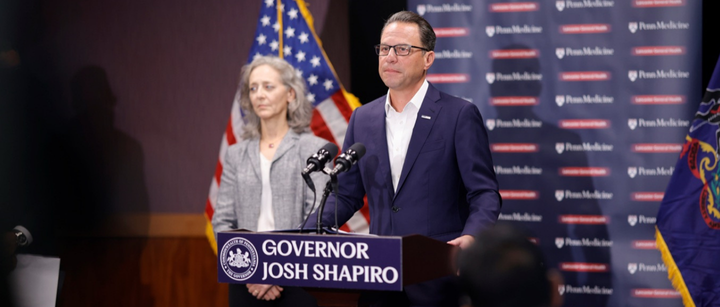
The deaths in question were linked to an outbreak of measles and marked the first fatalities from this disease in Pennsylvania in 35 years. However, discrepancies emerged following a press conference on August 25, during which Governor Josh Shapiro and health officials urged the public to get vaccinated. While the Department of Health described the individuals as unvaccinated, it did not offer comprehensive details about the causes of death, citing privacy concerns.
The local coroner, in an unusual move, contradicted the state’s account by asserting that the cases had not been classified as measles-related on official documents. Reports indicated that one of the deceased was an infant who tested positive for measles and died from a ruptured spleen. Although the coroner stated that measles did not contribute to the death, the department clarified its definition of “measles-associated” deaths, indicating that these cases may involve individuals who had the infection but where the disease was not the immediate cause of death.
Medical experts emphasize that the miscommunication and lack of clarity from health officials may have led to public doubt about the seriousness of the measles outbreak. Dr. Amesh Adalja, a senior scholar at the Johns Hopkins Center for Health Security, pointed out that the confusion stemmed from differing definitions used by the coroner and the health department. Health officials are urged to bridge this information gap to restore public confidence in the vaccination process.
Throughout this discourse, it is imperative to recognize the importance of routine vaccinations in preventing outbreaks and protecting community health. As the state grapples with rising measles cases—nearly half of which have been reported in Lancaster County—clear and accurate communication from health officials becomes vital in managing public health crises. This incident serves as a critical reminder of the need for transparent dialogue during health emergencies, fostering trust and encouraging proactive measures in disease prevention.
As Pennsylvania faces its vaccination challenges, the broader implications of public health messaging are evident, highlighting the necessity for diligence in community health advocacy and education.
#HealthNews #MiddleEastNews